Shoulder season is the closest thing travel has to a legal cheat code: the weeks on either side of peak season when the weather is still cooperating, the crowds have thinned to something civilized, and prices drift back toward reasonable. But not all destinations shoulder equally well. Some places are transformed for the better in the in-between months; others quietly shut down, leaving you with great hotel rates and nothing open. This ranking rates six destinations on how brilliantly they perform in the spring and fall windows — judged on weather reliability, crowd relief, what stays open, and value — with the trade-offs stated plainly, because the whole point of shoulder season is going in with accurate expectations.
How Shoulder Season Was Judged
Three questions decide the ranking. First, does the weather hold? A destination whose off-peak months are a coin flip scores lower than one with a long, gentle glide out of summer. Second, how much crowd relief do you actually get? Some famous places are merely busy instead of unbearable in shoulder months, while others empty out gloriously. Third, does the destination stay alive? Restaurants, boats, cable cars, and coastal hotels that hibernate can hollow out an otherwise perfect trip. The winners deliver near-peak experiences at a fraction of the friction.
6. Amalfi Coast and Southern Italy — Glorious, but Watch the Shutters
Southern Italy in the softer months is a revelation: warm sea lingering into fall, lemon groves without the scrum, and roads that are merely exciting rather than terrifying. Spring brings wildflowers and empty terraces. The catch — and it is a real one — is seasonal closure culture. Many coastal hotels, beach clubs, and family restaurants lock up outside the main season, ferry schedules thin dramatically, and some villages feel like stage sets with the cast gone home. The sweet spots are the weeks immediately before and after peak, when everything is still open but the tour buses have gone. Time it right and this is a top-three experience; time it wrong and you will eat at the one open restaurant three nights running. That variance is why it sits sixth.
5. Kyoto and Japan's Classic Route — Beautiful, but the Secret Is Out
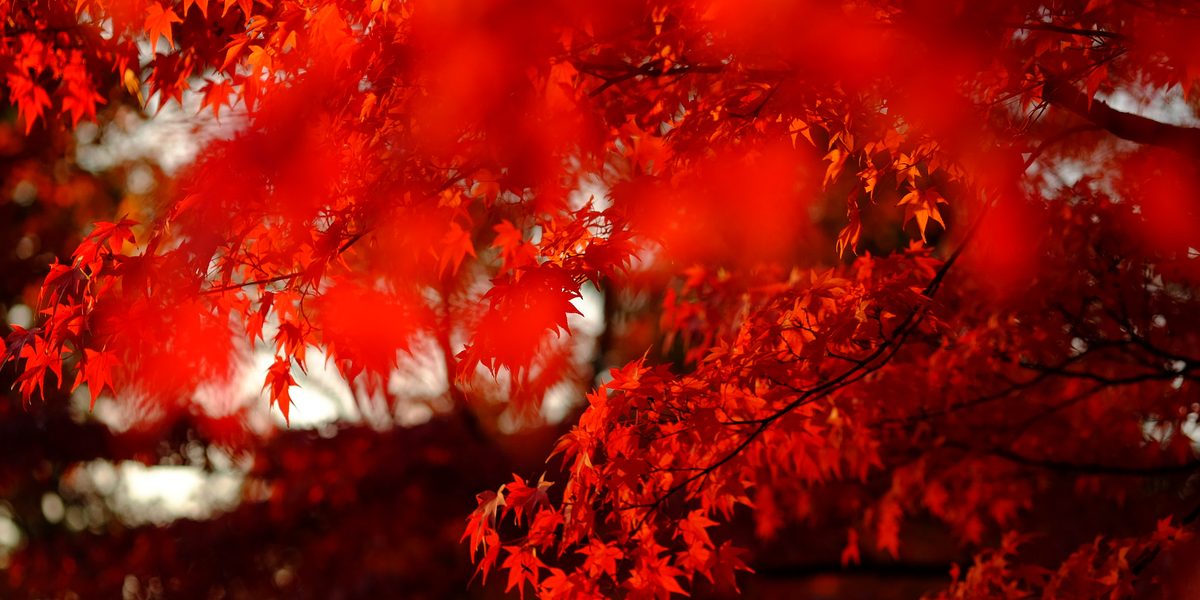
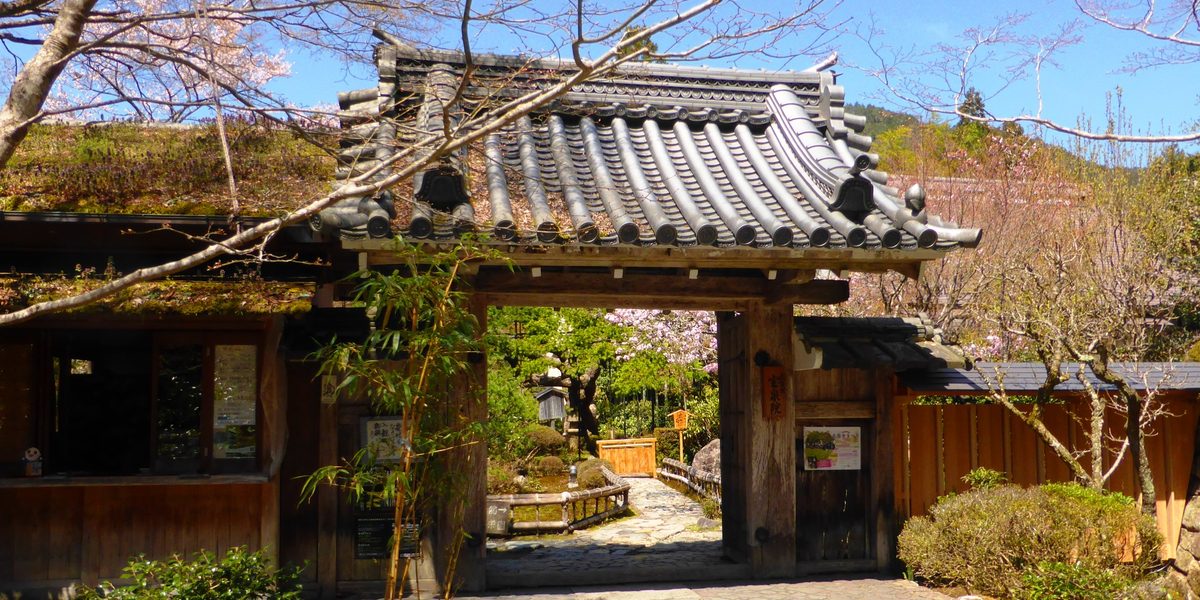
Japan's spring and fall are legendary for a reason — cherry blossoms and fiery maples turn the country into theater. Weather in both windows is stable and kind, everything stays open because domestic life never pauses, and the travel infrastructure is flawless year-round. The honest problem: these are not quiet seasons anymore. Blossom and foliage peaks now draw crowds that rival or exceed summer, especially in Kyoto's famous districts. The trick is aiming for the edges — early spring before the blossoms or the weeks after the leaves drop — when the weather is still crisp and pleasant and the crowds genuinely fade. Ranked fifth because the classic shoulder promise of thin crowds only applies if you dodge the exact weeks everyone else is targeting.
4. Greek Islands — The Long, Warm Goodbye
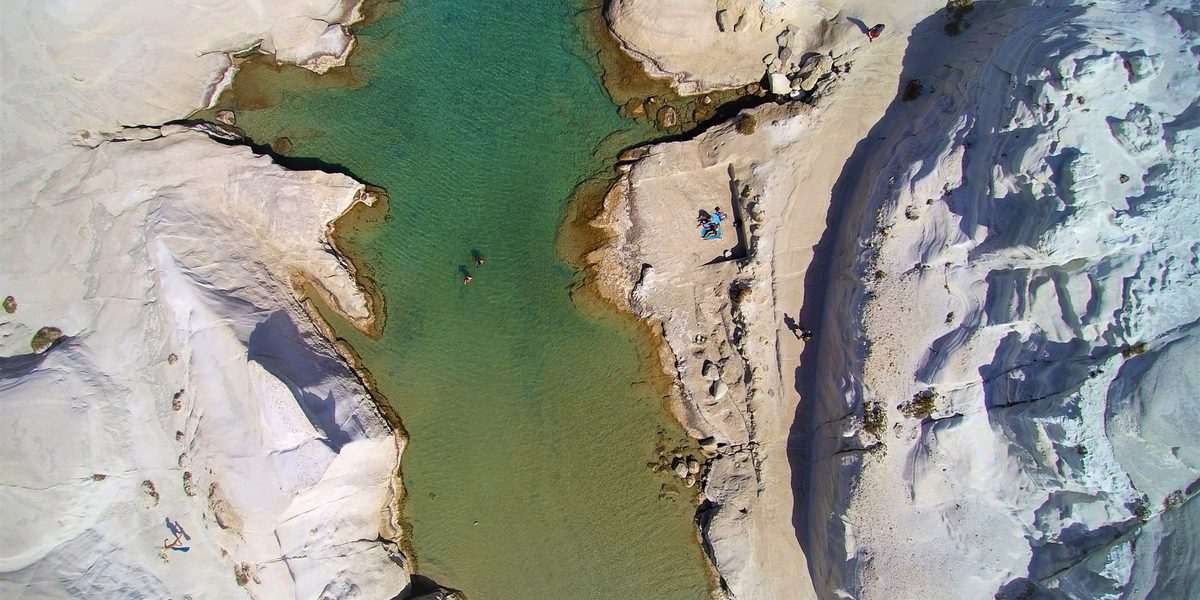
The Greek islands have one of the most generous shoulder windows in Europe. The sea stays swimmably warm long after the peak crowds leave, tavernas keep serving, and islands that feel like theme parks in high summer return to being actual communities. Spring is greener and cooler, ideal for hiking islands like Crete and Naxos. The trade-offs: ferry schedules shrink noticeably outside peak, the smallest islands start boarding up early, and the famous sunset towns still draw cruise crowds well into the fall. Choose bigger islands with year-round populations and the experience is close to perfect; choose a tiny summer-only islet and you may find the season already packed away. On balance, one of the best value-for-weather plays in the Mediterranean.
3. Croatia's Coast — Peak Beauty at Half Throttle
Croatia's Adriatic coast in the shoulder months is what the brochures photograph. The sea holds its warmth deep into fall, the walled towns — Dubrovnik, Split, Hvar — are actually walkable instead of shuffling-only, and driving the coastal road stops being a parking hunt. Spring delivers waterfalls at full roar in the national parks. What you give up: beach-club energy and island-hopping frequency, since catamaran schedules taper. A few resort-heavy islands quiet down early, but the mainland cities stay fully alive year-round, giving you a reliable base. For a destination whose peak season has become genuinely oppressive, the shoulder transformation is among the most dramatic in Europe — which is precisely the point of this list.
2. American Southwest — Built for the In-Between Months
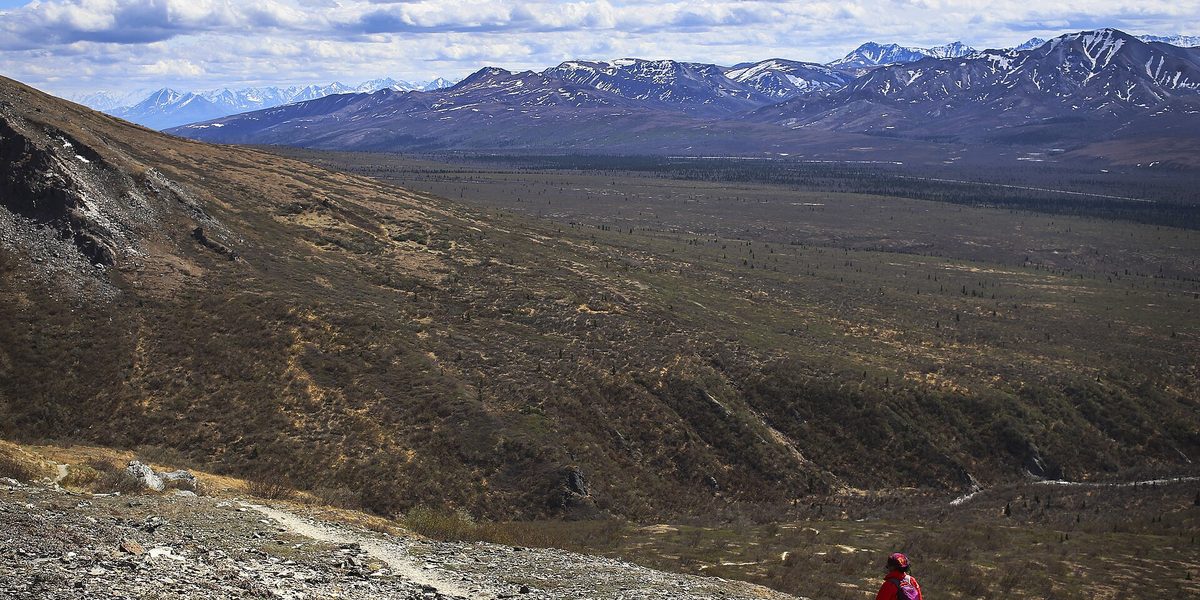
The canyon country of Utah and Arizona is arguably at its objective best in spring and fall — peak summer is brutally hot and crowded, making the shoulder not a compromise but the correct answer. Hiking temperatures are ideal, desert light gets softer and photography gets better, and the marquee parks drop from gridlock to merely popular. Almost nothing closes: national parks, lodges, and gateway towns run year-round. The cons are modest but real — spring winds can be fierce, higher-elevation parks may keep some roads closed early in the season, and school-break weeks briefly spike the crowds. Book lodging ahead for the famous parks even off-peak. As pure shoulder-season value, very little on the planet beats red rock country in the gentle months.
1. Portugal — The Everything-Stays-Open Champion
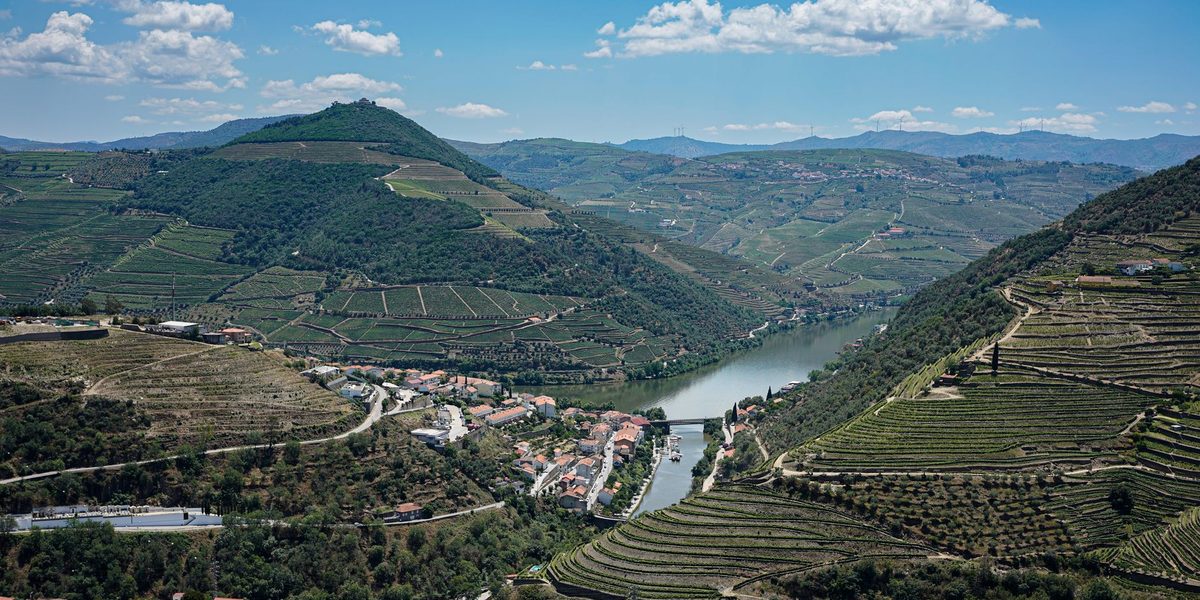
Portugal takes first place because it barely has an off switch. Lisbon and Porto are year-round cities, the Algarve's mild climate keeps the coast pleasant long after northern Europe has gone gray, and spring turns the countryside green and flower-drunk. Crowd relief is substantial — the tiled old quarters and famous pastry shops return to human density — while restaurants, trams, wineries, and museums simply continue as normal, because Portuguese life does not pause for tourism's calendar. Surf culture keeps beach towns awake, and the Douro Valley is at its most beautiful around harvest time. The honest cons: the Atlantic is chilly for swimmers year-round, and you should expect some rain in the deeper shoulder weeks, especially in the north. Minor tariffs for a destination that delivers ninety percent of its peak self with half the people.
Shoulder-Season Rules of Thumb
- Book flexibly: shoulder weather rewards trips that can shuffle days around a rainy spell.
- Check what closes: one search for seasonal ferry, cable car, and restaurant schedules prevents most disappointments.
- Aim for the near shoulder: the weeks touching peak season keep peak infrastructure with fewer people.
- Pack one warm layer more than you think: evenings turn first, everywhere.
- Go where locals live: destinations with real year-round communities shoulder best.
One more habit separates shoulder-season veterans from disappointed first-timers: verify opening details for the two or three experiences your trip is actually built around. If the boat trip, the mountain lift, or the famous restaurant is the reason you are going, confirm it runs during your dates before booking flights. Everything else can be improvised; the centerpiece cannot.
Final Thoughts
Shoulder season is not a lesser version of a destination — done right, it is the superior one. The ranking above favors places that stay fully alive while the crowds drain away, and penalizes those that hibernate or that have lost their quiet windows to fame. Portugal and the American Southwest are the safest bets; southern Italy is the highest-risk, highest-reward. Whichever you choose, the underlying math is the same: slightly less certainty in exchange for a destination that finally has room for you in it. That trade wins far more often than it loses.