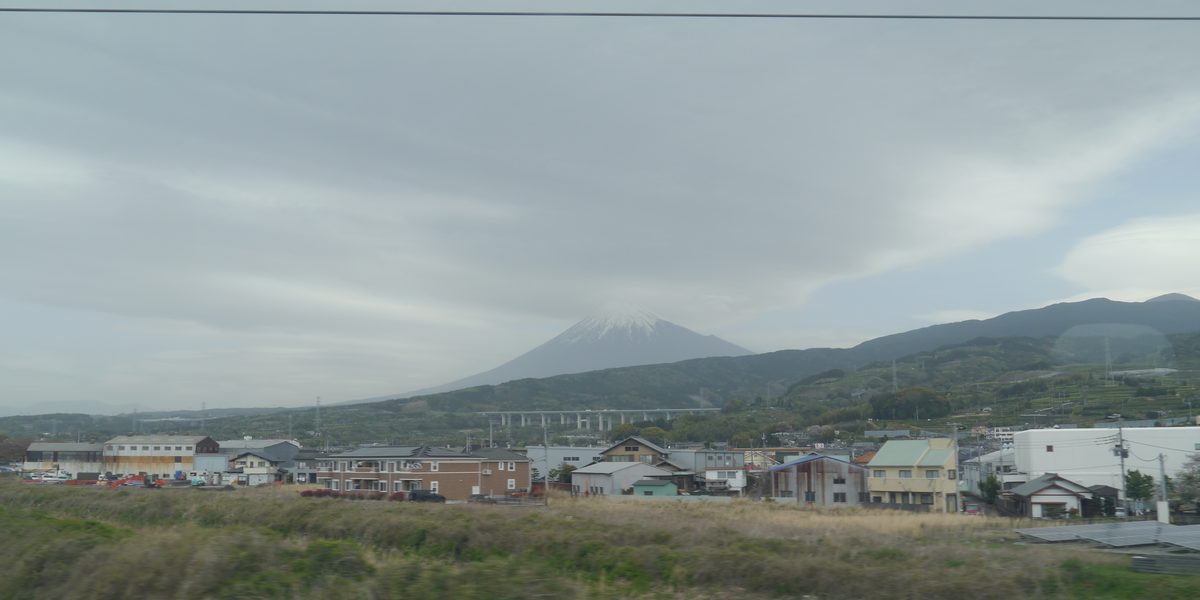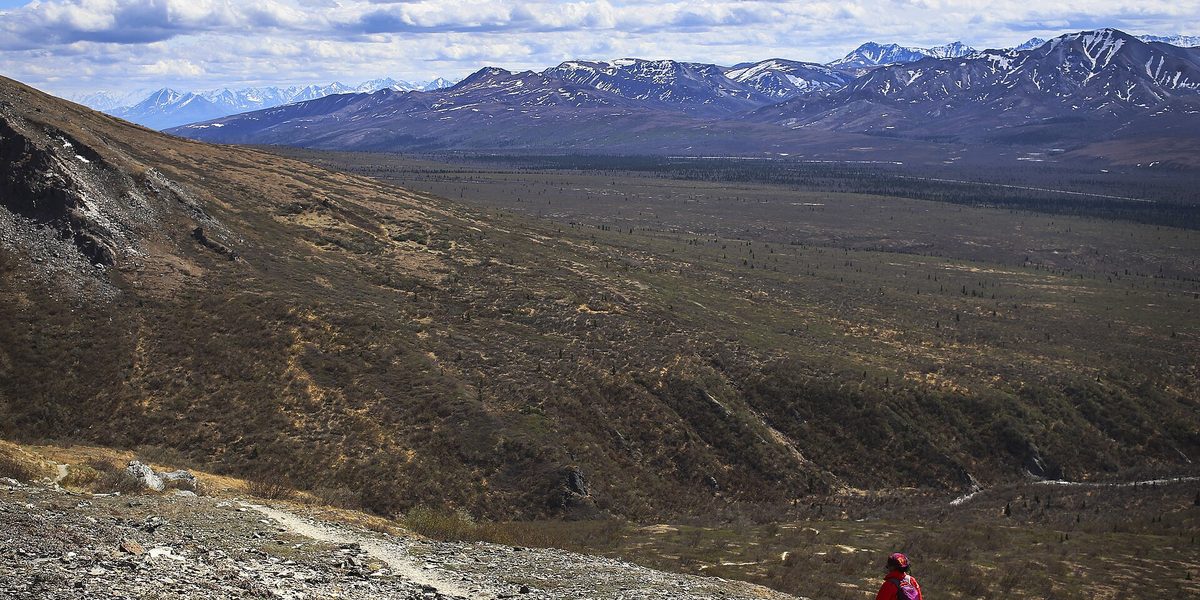
Few travel debates split households as reliably as this one. One side wants salt air, a lounger, and a novel; the other wants thin air, a trail, and a summit. Both camps are convinced the other is doing vacation wrong. The truth, as usual, is that beach and mountain trips are optimized for different things, and the smartest move is knowing exactly what each does well before you book. This comparison runs the two head-to-head across seven categories that decide whether a trip actually delivers — relaxation, activities, weather risk, cost patterns, packing, crowds, and how each one ages with you — and hands out honest verdicts along the way.
Relaxation: Advantage Beach, With a Caveat
If relaxation means the fastest possible route from arrival to a lowered heart rate, the beach wins. The formula is frictionless: water, warmth, horizontal furniture, and social permission to do absolutely nothing. Nobody at a beach resort asks about your plans. The rhythm of waves does half the unwinding for you, and the barrier to entry is zero — no fitness, no gear, no skills.
The caveat is that beach relaxation is fragile. It depends on getting the good weather, the good stretch of sand, and the absence of a bachelor party two umbrellas over. Mountain relaxation is slower to arrive but sturdier once it does: a cabin porch, cool evenings, forest quiet. Beach rest is a product you buy; mountain rest is a state you settle into. For a three-day recharge, take the beach. For genuinely switching your brain off over a week, the mountains are underrated.
Activities: Advantage Mountains, and It Is Not Close
Beaches offer swimming, snorkeling, water sports, and beach games — genuinely fun, but a menu that shrinks fast if the wind picks up or the water is cold. Mountain destinations stack hiking, biking, climbing, paddling on alpine lakes, wildlife spotting, scenic drives, and hearty mountain-town food culture, and in the cold months the entire menu flips over to skiing, snowshoeing, and thermal spas. A mountain trip can fill ten days without repeating a single day's plan.
The honest counterpoint: mountain activities demand more from you. Fitness matters, gear matters, and a rainy day in the hills closes more doors than a cloudy day at the shore. Travelers who want their activities optional will be happier with sand; travelers who want their trip to have a storyline will be happier with switchbacks.
Weather Risk: A Draw That Depends on Season
Both camps like to pretend the other has the weather problem. Both have it. Beach destinations concentrate their risk in big, trip-ruining events — a tropical storm system, a week of relentless wind, a heat wave that makes midday unbearable. Mountains distribute their risk in smaller doses: afternoon thunderstorms that chase you off ridgelines, sudden temperature swings, early or late snow at elevation.
The practical difference is recoverability. A washed-out beach day offers few substitutes beyond the hotel bar; a stormy mountain morning often clears by lunch, and valley towns give you cafés, museums, and gondola rides in the meantime. Beaches win on predictability in their proper season; mountains win on salvageability when things go sideways. Book either one in its shoulder season and pack your patience.
Cost Patterns: Mountains Win on Flexibility
Neither option is inherently cheaper — a ski week can incinerate money faster than any island — but the spending patterns differ in ways that matter. Beach destinations tend to bundle costs: resort pricing, captive restaurants, umbrella rentals, and premiums for anything within sight of the water. Your budget's fate is largely decided the moment you pick the hotel.
Mountain trips itemize instead. Trails are free. Lake swimming is free. Views are free. The costs are gear, lodging, and food — and self-catering cabins make the last one controllable. A frugal mountain traveler can have a five-star week on a two-star budget in a way that is much harder to pull off beachside, where distance from the sand is the price of savings. If cost control matters, altitude beats latitude.
Packing and Logistics: Advantage Beach
Beach packing is a solved problem: swimwear, cover-ups, sandals, sunscreen, done. Laundry is optional and mistakes are cheap — forget something and the beach shop sells it. Mountain packing is a risk-management exercise: layers, rain shells, proper footwear, maybe poles, and the knowledge that forgetting the wrong item can genuinely alter your trip. Families with small children feel this gap acutely; hauling beach toys is easier than hauling toddler-sized hiking boots and three weather contingencies. If you travel carry-on-only or hate planning, the coast is kinder.
Crowds: Advantage Mountains, Mostly
Beaches concentrate people by design — everyone wants the same strip of sand at the same hours of the same months. Even vast coastlines funnel visitors toward the handful of famous beaches with parking and facilities. Mountains disperse people naturally: crowds cluster at trailheads and viewpoints, then thin dramatically with every mile of trail. Thirty minutes of walking buys solitude in the hills; thirty minutes of walking on a popular beach buys another crowded beach.
The exception is the marquee mountain destinations in peak season, where shuttle lines and summit selfie queues rival any boardwalk. But as a rule, if crowds drain you, elevation is the escape hatch that sea level cannot offer.
Verdicts by Traveler Type
- Exhausted and burned out: Beach. Minimum effort, maximum recovery.
- Restless and energetic: Mountains. The activity menu is triple the size.
- Traveling with toddlers: Beach, narrowly — sand entertains for free, logistics are simpler.
- Traveling with teenagers: Mountains — adventure sports beat boredom.
- Budget-conscious: Mountains, thanks to free activities and self-catering.
- Multigenerational groups: Beach resorts serve the widest ability range at once.
- Photographers and romantics: Tie — sunsets versus summits is a matter of religion.
How Each One Ages With You
Travel preferences are not fixed, and the two styles reward different life stages. Beach trips dominate the exhausted decades — early careers, new parenthood — when the scarce resource is rest and the idea of earning your relaxation sounds like a prank. Mountain trips tend to peak when energy and curiosity outrun the appeal of stillness: trips with older kids, empty-nest adventures, the years when a summit still feels like a reasonable ambition. Then the pendulum swings again, and gentle lake-and-valley trips become the compromise that keeps everyone hiking without anyone suffering.
The practical takeaway is to stop treating your beach-or-mountain identity as permanent. The traveler who swore off resorts at thirty often blesses them at forty, and the confirmed beach loyalist frequently discovers trails the first time a doctor says the word cardio. Book for who you are this year, not who you were on your best vacation ever.
The Hybrid Cheat Code
The debate has a loophole: destinations that offer both. Coastal ranges and lake-and-peak regions let you hike in the morning and swim in the afternoon — think mountainous islands and alpine lake towns where the beach towel and the trail map share a backpack. These hybrids rarely have the world's best beach or the world's best trail network, but the combined experience often beats a pure version of either. Couples split between the two camps should treat hybrid destinations as marital infrastructure.
Final Thoughts
The beach is a better product; the mountains are a better story. One optimizes for rest, simplicity, and guaranteed pleasure, the other for engagement, variety, and the kind of tiredness that feels earned. Neither is the wrong answer — but there is a wrong answer for a given moment in your life, and it changes as energy, budgets, and travel companions change. Read your own exhaustion level honestly before booking, and when in doubt, remember the tiebreaker: hybrids exist, and nobody ever filed a complaint about swimming in a lake with a mountain behind it.