Hiking destinations get ranked constantly, and almost always on the wrong thing: the single most dramatic photo. But a hiking trip is rarely one trail — it is a week of them, taken by knees of varying ages and companions of varying enthusiasm. The destinations that actually deliver are the ones with range: gentle valley walks and vertiginous ridgelines in the same region, infrastructure that gets you to trailheads and feeds you afterward, and a season window wide enough to actually book. This ranking judges six of the world's great hiking regions on trail variety across ability levels, supporting infrastructure — huts, lifts, transport, rescue — and the practicality of their seasons. Cons included, because every legendary trail region quietly punishes somebody.
How the Rankings Were Weighed
Trail variety counts most: a great destination should serve the beginner, the peak-bagger, and the mixed group hiking together, all within one base. Infrastructure covers mountain huts, cable cars, marked routes, and public transport to trailheads — the machinery that turns hiking from an expedition into a vacation. Season window matters because a destination hikeable four months a year is simply harder to use than one open for eight. Raw drama breaks ties, but it does not win them.
6. Nepal's Teahouse Treks — The Summit of Ambition, Not Variety
Nepal is the most storied hiking destination on earth, and the teahouse system — village lodges spaced a day's walk apart — remains one of travel's great inventions, letting ordinary hikers walk for weeks among the highest mountains in the world carrying only a daypack. The cultural dimension, through Sherpa and Gurung villages, adds something no alpine resort can. Why sixth, then? Because this list rewards variety, and Nepal is fundamentally a committed-trekker destination: the classic routes demand two to three weeks, altitude is a genuine physiological gatekeeper, casual day-hiking options near access cities are limited, and infrastructure — flights, roads, rescue — is the most fragile here. Season windows are narrow and monsoon-bound. For the fit and time-rich, unmatched. For everyone else, a dream that outranks its practicality.
5. Patagonia — Drama at the End of the World
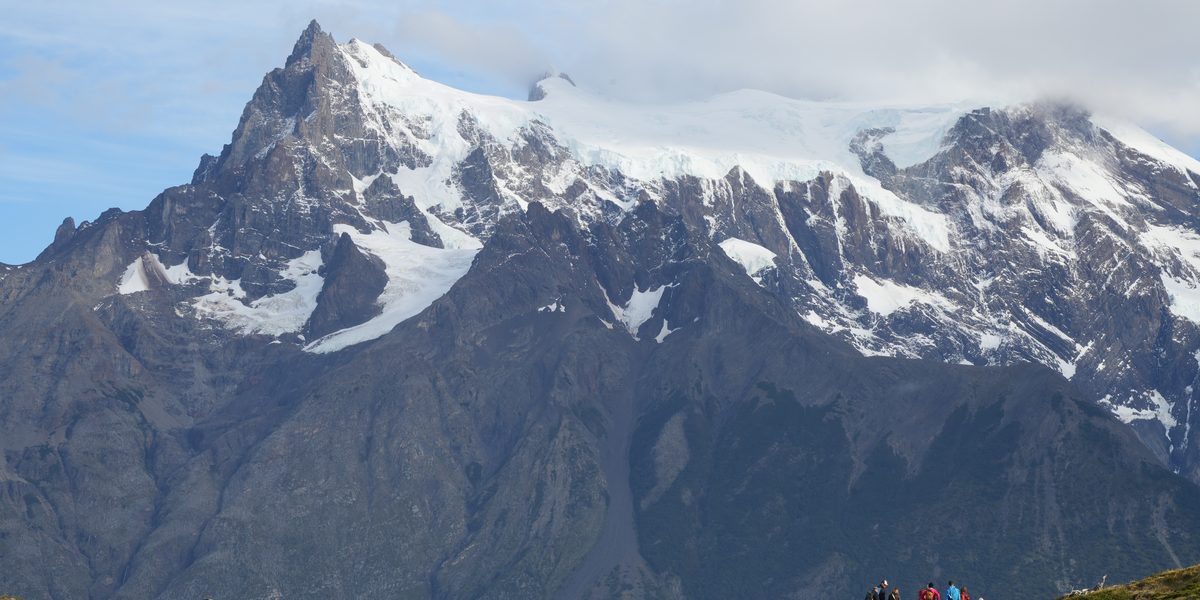
The granite towers of Torres del Paine and the Fitz Roy massif deliver scenery so extreme it looks rendered, and the famous multi-day circuits are life-list material. Day hikers are served better than Nepal — several icon views are reachable in a long day from town — and the refugio system supports hut-to-hut walking without camping. The cons are elemental: wind that can halt hikers outright, weather that cycles four seasons before lunch, a short and fiercely booked season, and the sheer remoteness — getting there consumes days and money. Trail variety is honestly mid-table: the marquee routes are spectacular but finite, and gentler options thin out quickly. Patagonia is a pilgrimage, not a playground — rank it first for drama, lower for usability, which is what this list measures.
4. Peru's Andes — Altitude, History, and the Best Trail Stories
The Cusco region stacks hiking value like nowhere else in the Americas: the Inca Trail's ruins-to-ruins storytelling, the Salkantay and Lares alternatives, the rainbow-striped ridges of Ausangate, and day hikes threaded between Sacred Valley villages. No other region on this list lets you walk through an ancient civilization to a destination as theatrical as Machu Picchu. Infrastructure is decent and guided culture is strong, which flatters less-experienced trekkers. The cons: altitude is the tax on everything — Cusco sits high enough that acclimatization days are mandatory, not optional; permits for the famous trail sell out far ahead; the dry-season window is real; and independent hiking is restricted on the marquee routes. Trail variety is strong but skews to multi-day commitments. As a hiking-plus-history package, though, it is untouchable.
3. The American National Park Circuit — Variety by the Continent
Treat the American West as a single hiking destination — Yosemite, Zion, Grand Canyon, Glacier, the Rockies — and its variety is unmatched on paper: slot canyons, alpine cirques, desert rims, and waterfall valleys, with trails from paved strolls to multi-day epics in every single park. Infrastructure is excellent in the front country: shuttles, visitor centers, graded and signed trails. The cons keep it off the podium: the parks are far apart, so variety requires driving days; huts barely exist, meaning backcountry nights demand tents and permits; marquee trails now run on lotteries and timed entries; and summer crowds at the icons are legendarily dense. It is the best destination here for mixed-ability families near a single park — and the most logistical as a grand tour.
2. Switzerland and the Alps — The Infrastructure Champion
Switzerland is what happens when a civilization decides hiking is public infrastructure. Trains and cable cars deliver you to high country that would cost a day's climb anywhere else; signposted routes grade every walk by difficulty; mountain huts serve hot lunches at elevations other countries reserve for mountaineers. Trail variety is close to perfect — a village like Zermatt or Grindelwald offers stroller-friendly balcony paths and serious via ferrata within the same valley — making it the best destination on this list for groups whose abilities do not match. The cons are famous: cost, first and always, with lifts and lodging that punish families; peak-season crowds at the icon viewpoints; and a sense, for purists, that the wildness has been engineered out. It loses first place by a single criterion — the mountains one rank up are simply more beautiful.
1. The Dolomites — Where Variety Meets Beauty
Italy's Dolomites win the crown by scoring near-perfectly on every axis. The scenery is arguably the most distinctive in the hiking world — pale towers erupting from green meadows — and the variety is complete: gentle rifugio-to-rifugio traverses, mid-grade classics like the Tre Cime loop, and the vertical drama of via ferrata routes for the ambitious, all interwoven in a compact area. Infrastructure inherits the alpine model — lifts, buses, and the best mountain food culture on earth, where trailside huts serve espresso and fresh pasta at altitude. Costs undercut Switzerland meaningfully. The cons: peak-summer crowds at the icons now require dawn starts, driving the high passes tests patience, the hiking season is shorter than the American desert parks, and hut demand means booking well ahead. Minor deductions from a nearly flawless scorecard — as a complete hiking vacation, the Dolomites are the best place on the planet to lace up.
Match the Region to Your Group
- Mixed abilities, one base: Switzerland, then the Dolomites.
- Best food and hut culture: the Dolomites, indisputably.
- Biggest single wow: Patagonia's towers.
- Hiking plus history: Peru's Sacred Valley routes.
- Longest committed trek: Nepal's teahouse circuits.
- Family road-trip hiking: the American parks.
And whatever your group's shape, respect the acclimatization rule everywhere, not just in the famous high-altitude regions: sleep low, climb gradually, and treat headaches as information. The regions on this list differ in language, cuisine, and scenery, but they agree completely on how quickly the mountains humble the overconfident.
Final Thoughts
Rank hiking destinations by the week you will actually have, not the photo you want. The Dolomites and the Alps win this list because they serve every knee, every weather day, and every appetite in the group; Patagonia and Nepal remain the greater pilgrimages for those who can pay their entry price in time, fitness, and flexibility. Wherever you go: book the huts early, train before you fly, check the season window twice, and take the gentler trail on day one — every great hiking trip is won or lost by how the legs feel on day three.