Wildlife travel makes promises no other kind of trip dares to make — and breaks them more often, too. The whale that never surfaces, the leopard that stayed in the tree one valley over, the rainforest that offers you three mosquitoes and a distant rustle. The destinations that deserve your once-in-a-lifetime budget are the ones where the animals reliably show up, where viewing is run ethically rather than as a petting zoo with marketing, and where the effort and cost match what you actually see. This ranking rates six of the world's great wildlife destinations on exactly those terms: sighting reliability, ethics of the viewing culture, and the effort-to-reward ratio. The trade-offs are stated plainly, because a wildlife trip booked on fantasy is the easiest trip in travel to ruin.
The Ground Rules: Ethics First
One filter was applied before any ranking: the destination's mainstream viewing culture must let animals behave naturally. That means observing from respectful distances, no touching or feeding of wild animals, no shows, and guiding industries that enforce the rules rather than bend them for tips. Every destination on this list can be done badly — there are irresponsible operators everywhere — but each one has a strong ethical mainstream that is easy to find and book. As a general rule, if an experience guarantees physical contact with a wild animal, it is the experience to skip.
6. Borneo — The Deep-Jungle Gamble With the Biggest Payoff
Borneo offers something increasingly rare: genuinely wild encounters with orangutans, proboscis monkeys, hornbills, and pygmy elephants along rainforest rivers. River cruises at dawn and dusk deliver a rhythm of sightings that feels earned rather than staged, and reputable rehabilitation centers offer a responsible way to see orangutans up close when the wild ones stay hidden. The honest cons: rainforest wildlife viewing is the least reliable genre on this list — canopy animals are experts at not being seen — travel logistics are involved, and humidity tests every traveler's patience. Habitat loss has also concentrated wildlife along riverine corridors, which is sobering context for the very sightings you enjoy. High effort, moderate reliability, unforgettable ceiling: sixth place, with an asterisk of love.
5. Yellowstone and the American West — Wildlife Without the Long Haul
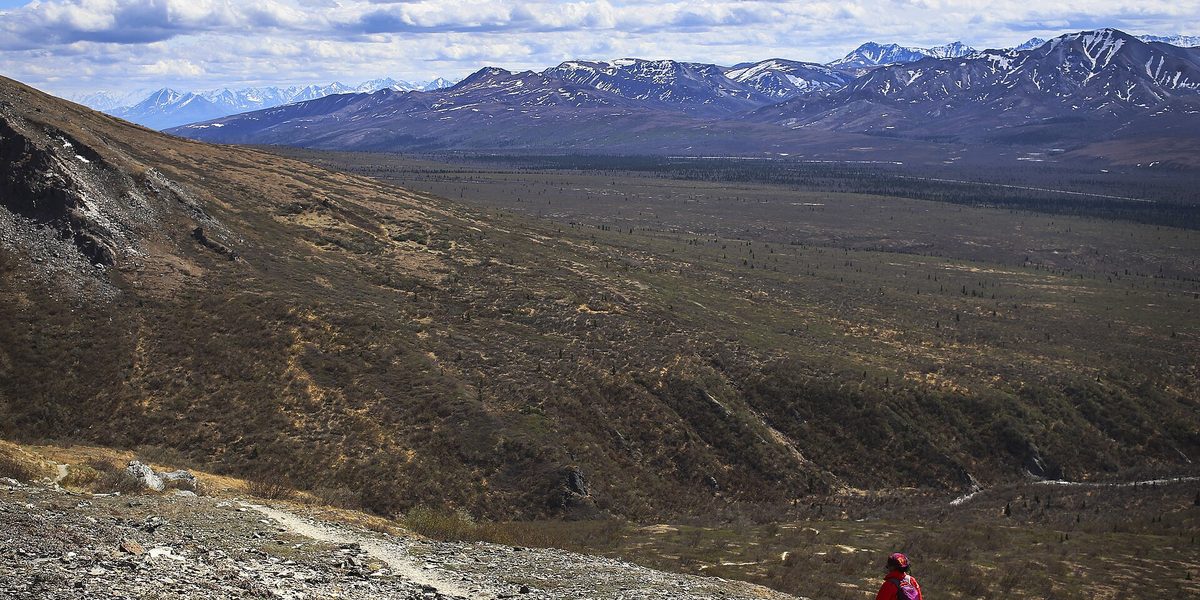
Yellowstone is the most accessible entry on this list for North Americans, and its valleys deliver an honest spectacle: bison herds that stop traffic, elk, pronghorn, bears at a respectful distance, and — for the patient, binocular-equipped visitor — wolves. Sighting reliability for the big grazers is effectively guaranteed; predators demand luck and early mornings. The viewing culture is strongly regulated, with distance rules that rangers actually enforce. Cons: summer crowds turn wildlife jams into traffic jams, the animals share the park with a very large number of humans, and the experience is windshield-framed unless you invest in dawn starts and short hikes. As a first wildlife trip, or a family one, it is superb value. As a wilderness immersion, it trails the giants above it.
4. The Pantanal, Brazil — The Jaguar Capital Nobody Talks About Enough
The Pantanal is the best big-cat viewing in the Americas, full stop. Unlike dense Amazon rainforest, this vast wetland is open, which means animals are actually visible: capybaras everywhere, caiman by the thousand, giant otters, hyacinth macaws, and — along the northern rivers in the dry season — jaguars seen from boats with a reliability that rivals African lion viewing. The viewing culture is boat-based and respectful, keeping cats undisturbed on the riverbanks. Cons: getting there takes commitment — multiple legs and long transfers — the heat is serious, and outside the jaguar season the marquee sighting becomes a lottery. Lodging ranges from simple to splendid but choices are fewer than in Africa. For travelers who have done a safari and want the next thing, this is it.
3. Costa Rica — The Best Wildlife-Per-Effort Ratio in Travel
Costa Rica's genius is density and ease. In a compact, stable, tourism-savvy country, you get sloths, monkeys, toucans, scarlet macaws, poison dart frogs, and sea turtles — often all in one week, sometimes in one park. The guiding culture is exceptional: local naturalists with spotting scopes will show you more in two hours than you would find alone in two days. Ethics run deep here; the national identity is genuinely built around conservation. The cons: this is wildlife viewing with company — popular parks meter entry and trails can feel busy — and the animals, while wild, live alongside a heavy flow of humans. Larger mammals are scarce; this is a small-wonders destination. But judged on reward per dollar, per day, and per logistical headache, nothing beats it. Perfect for first-timers and families.
2. Botswana and the Okavango Delta — Safari in Its Purest Form
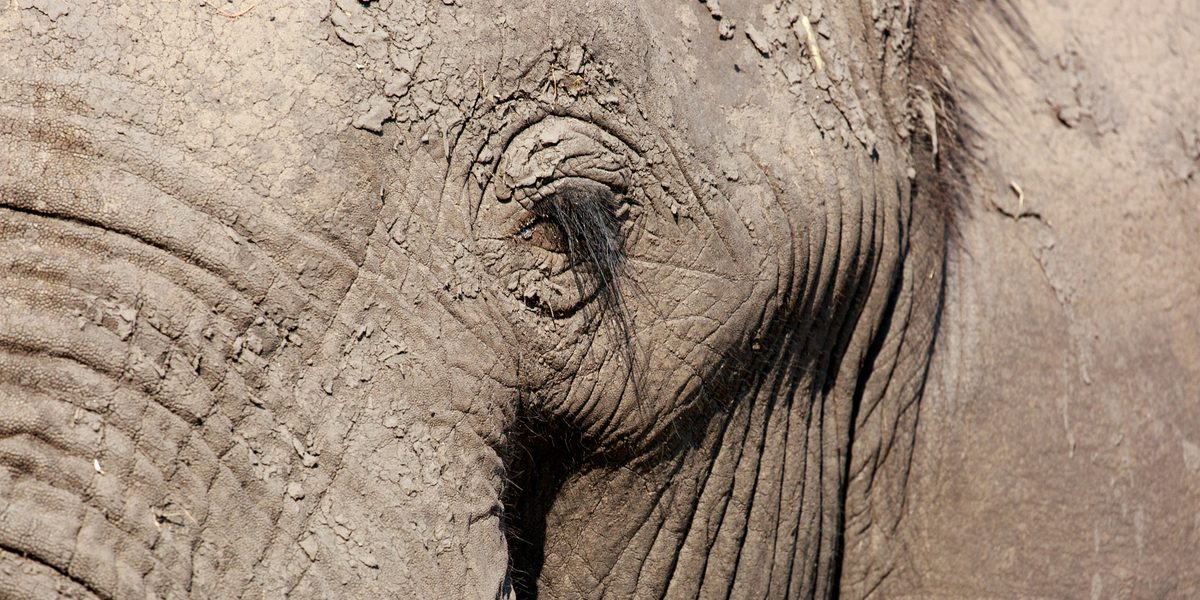
Botswana chose a deliberate model: fewer visitors, higher standards, wilder experience. The Okavango Delta's floodplains concentrate elephants, lions, wild dogs, leopards, and hippos into a mosaic you explore by open vehicle, boat, and mokoro canoe — often without another vehicle in sight, a stark contrast to busier safari circuits. Sighting reliability for big game is outstanding in the dry season, and the guiding profession is among the world's best. The con is singular and significant: cost. This is the most expensive destination on this list by a comfortable margin, and the remote camps that define the experience are fly-in only. Budget alternatives exist at the edges, but the classic Delta experience is a splurge. If you can pay, it is the finest land-based wildlife experience on earth — outranked here by only one thing.
1. The Galápagos Islands — Where the Animals Ignore You
The Galápagos wins because it removes the one variable every other wildlife destination fights: fear. The animals evolved without land predators and simply do not flee — sea lions doze across your path, boobies court at arm's length, iguanas pile up like sculpture, and snorkeling means penguins and turtles sharing your water. Sighting reliability is effectively total; no other destination guarantees this much, this close, this consistently. The system is tightly managed — licensed guides, fixed trails, capped visitor numbers — which keeps the ethics defensible and the experience intact. Cons: it is expensive (cruises especially), reaching it takes multiple flights, and the strict structure means little freedom to roam. Land-based trips offer a cheaper, lighter-footprint alternative worth considering. But for the certainty of wonder, nothing else in wildlife travel comes close.
Match the Trip to Your Wildlife Ambition
- First wildlife trip or family trip: Costa Rica, then Yellowstone.
- The classic big-game dream: Botswana if budget allows; busier circuits deliver much of it for less.
- Guaranteed close encounters: Galápagos, without question.
- Big cats beyond Africa: the Pantanal in dry season.
- Earned, expedition-flavored sightings: Borneo's rivers.
Timing deserves one extra word: in almost every destination above, the dry season is the great equalizer. Water becomes scarce, vegetation thins, and animals concentrate where they can be seen. The same lodge, the same river, and the same budget can produce a completely different trip depending on the month, so choose your dates before you choose your upgrades — season is the cheapest luxury in wildlife travel.
Final Thoughts
Rank your wildlife trips by honesty, not by Instagram. The Galápagos and Botswana top this list because they pair near-certain sightings with viewing cultures that put the animals first — the two things that separate a life-list experience from an expensive disappointment. Wherever you go, book operators who brag about their guides rather than their proximity guarantees, travel in the dry season when in doubt, bring binoculars you have actually practiced with, and accept the one rule of the genre: the animals owe you nothing. The destinations above are simply the places where they are most generous anyway.