The long weekend is the most efficient unit of travel ever invented — big enough to feel like a real trip, small enough to fit between obligations. But it is unforgiving. A city that needs six days punishes you for giving it three, and a city with a ninety-minute airport transfer eats your first evening alive. The best long-weekend cities share a specific anatomy: a compact, walkable core, a fast route in from the airport, a food scene dense enough that every meal counts, and a personality that reveals itself quickly. This ranking rates seven cities on exactly those traits — and names the famous ones that secretly need more time than a weekend can give.
What Makes a City Weekend-Sized
Four criteria drive this list. Airport-to-city ease: a great weekend city gets you from plane to plaza in well under an hour. Compactness: the major sights, best neighborhoods, and food streets should cluster within walking or short-transit distance. Density of pleasure: every block should offer something — a café, a viewpoint, a market — rather than requiring commutes between isolated attractions. Quick personality: some cities hand you their character in an afternoon; others make you earn it over a week. Weekend cities are the generous ones.
7. Amsterdam — Effortless, if You Escape the Center's Gravity
Amsterdam was practically designed for the short visit: a small, canal-ringed core, a quick rail link from the airport, and a strolling pace that makes even aimless hours feel rich. Museums, markets, and café culture pack into a few square miles, and the city works beautifully in any season. The honest cons: the central ring is heavily touristed to the point of self-parody, and visitors who never leave it experience a themed version of the city. The best weekend here spends one day on the icons and one in the neighborhoods — the Jordaan, the east — where the actual city lives. It ranks seventh only because the value is poor: accommodation prices are among the steepest on this list, which stings on a per-night basis for such a short trip.
6. Prague — Storybook Density With Seasonal Caveats
Few cities deliver more visual drama per footstep than Prague. The castle, the bridge, the old town square, and the lanes between them form one continuous open-air set, all walkable, all concentrated. Beer culture makes refueling cheap and atmospheric, and the airport transfer is manageable. The cons are crowd-shaped: the historic core operates at festival density much of the year, and the famous sights involve more shuffling than strolling at midday. Prices in the center have also long since discovered what the city is worth. Go in the colder shoulder months, start your mornings absurdly early, and Prague repays the weekend better than almost anywhere. Go at peak with a late start, and you will mostly photograph other photographers.
5. Seville — Southern Spain in Concentrate
Seville compresses everything intoxicating about Andalusia into a core you can cross on foot in half an hour: the cathedral, the Alcázar, orange-tree plazas, and a tapas culture that turns three days into ten meals of discovery. Evenings are the show — the whole city comes outside — and the long, warm season means outdoor life almost year-round. Cons: high summer is genuinely punishing, with afternoon heat that shuts down sightseeing for hours, so timing matters more here than elsewhere on this list. The airport is small and connections are thinner than the big hubs, which can push up flight costs. But judged purely on how much city you absorb per hour on the ground, Seville is elite.
4. Montreal — The Transatlantic Feel Without the Transatlantic Flight
For North Americans, Montreal is the great weekend arbitrage: European texture — cobblestones, café terraces, a bilingual streetscape — reachable without an ocean crossing. The city stacks distinct experiences close together: Old Montreal's stone lanes, the Plateau's staircased row houses, markets that reward grazing, and a food scene that mixes French technique with cheerful excess. Summer festival season makes the streets themselves the attraction. The cons: deep winter is a serious commitment (though the underground city and bagel-warmed interiors fight back), and the famous nightlife districts can feel rowdy on weekend nights. For Europeans it obviously ranks lower on effort; for anyone within a short flight, it is a top-tier weekend machine.
3. Lisbon — Big-City Reward, Small-City Effort
Lisbon's airport sits almost inside the city — you can be on a miradouro with a coffee within an hour of landing — and that head start sets the tone. The hilly center rewards wandering more than planning: trams, tiled façades, viewpoints, custard tarts, and a river that turns every late afternoon golden. Food and lodging value remains strong for Western Europe, letting a weekend feel indulgent without the bill trauma. The cons: those hills are real exercise, the iconic tram and the famous neighborhoods are crowded to bursting in peak months, and pickpockets treat the tourist routes as a commute. The city has also grown noticeably more expensive as its fame has compounded. Still, on the reward-per-effort scale that defines weekend travel, Lisbon sits near the very top.
2. Copenhagen — The Most Efficient Great City in Europe
Copenhagen's superpower is frictionlessness. The metro runs from the airport to the center in minutes, the core is flat and compact, bikes and boats make moving around a pleasure rather than a chore, and the design-and-food culture means even a random lunch stop tends to be excellent. In two days you can cover harbor baths, palaces, the colorful quay, world-class bakeries, and a neighborhood or two, all without ever feeling rushed. The single con is famous: cost. Copenhagen on a weekend is a splurge, full stop, and value hunters will wince at every receipt. But if the question is which city wastes the fewest of your precious seventy-two hours, this one might win outright — it loses first place by a nose on price alone.
1. Porto — The Perfect Weekend-Sized City
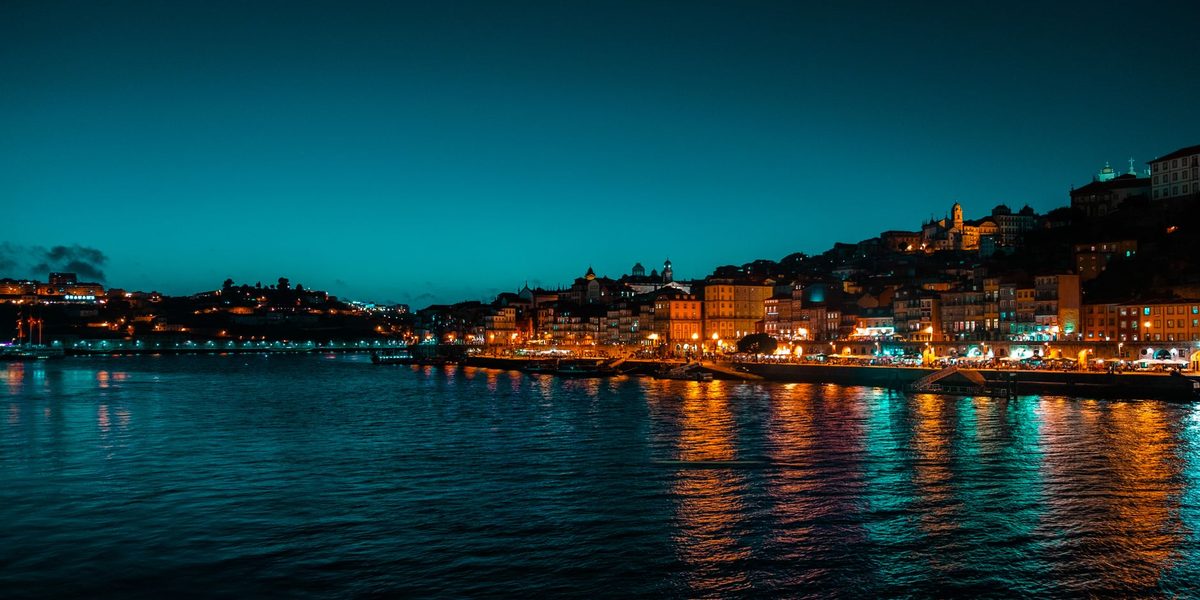
Porto wins because it is precisely the right size. The riverside core — stacked, tiled, and slightly weathered in the most photogenic way — can be walked end to end, yet three days never exhausts it. The airport metro link is quick and cheap. Food and wine culture delivers constant small pleasures: port lodges across the river, seafood lunches, gilded cafés and markets, all at prices that make ordering the second glass automatic. The city's character arrives instantly; no warm-up required. Honest cons: the hills and cobbles are a workout, weather off-season is a gamble of Atlantic showers, and its soaring popularity means the famous bookshop and riverside strip now queue like theme parks. Minor complaints against the strongest overall package — Porto is what a long weekend is supposed to feel like.
Cities That Secretly Need More Time
- London and Paris: superb, but a weekend samples rather than satisfies — both punish short trips with scale.
- Rome: the density deceives; the queues alone consume a weekend.
- Istanbul: two continents of city cannot be walked in three days.
- Tokyo: a magnificent trip and a terrible weekend — jet lag plus scale equals frustration.
Final Thoughts
Weekend cities are a specific species: compact, generous, quick to connect, and forgiving of a plan that is mostly wandering. Porto, Copenhagen, and Lisbon lead because they waste none of your hours; the megacities trail not because they are worse but because they are bigger than the format. Book the early flight out and the late one back, unpack once, and resist the itinerary that tries to conquer the city — the best long weekends collect neighborhoods and meals, not checklists. Done right, seventy-two hours can feel like a week. Done in the wrong city, it feels like a layover.