Some of the world's most beloved destinations have a full-blown congestion problem — places so successful that the experience being sold no longer survives the number of people buying it. The travel industry's answer is the swap: skip the icon, visit its quieter cousin. It is good advice delivered dishonestly, because most swap lists pretend the alternative is secretly identical. It never is. Every swap trades something real away, and the only useful question is whether what you keep outweighs what you lose. This list rates six of the most-recommended swaps exactly that way: what you keep, what you give up, and a straight verdict on who should make the trade — and who should just go to the famous one anyway.
Skip Santorini, Try Milos — The Strongest Swap in Travel
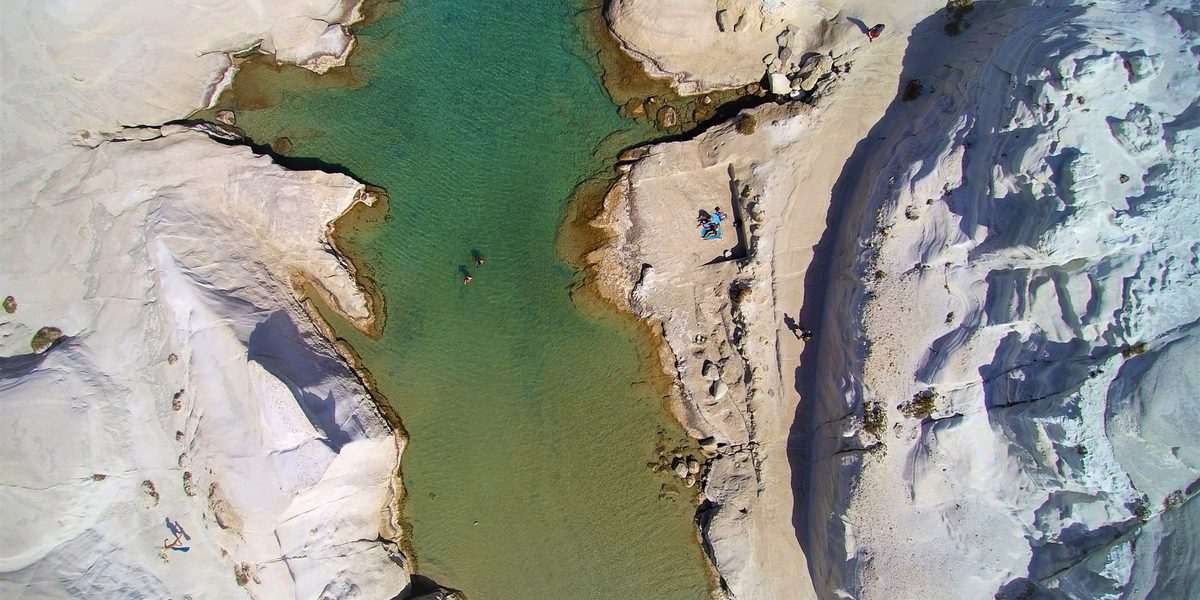
Santorini's caldera villages are genuinely extraordinary, and genuinely overwhelmed: sunset viewpoints operate at concert density, and the lanes between them are a slow-moving queue with a view. Milos, a short hop away, offers the same volcanic drama in wilder form — the lunar white coves of its famous beaches, fishing villages with boat garages painted in primary colors, and water every bit as blue.
What you keep: the volcanic scenery, the Cycladic white-and-blue, the sunsets, most of the romance. What you give up: the caldera itself — nothing on Milos matches that single view — plus the luxury hotel depth and the wedding-photo infrastructure. Verdict: the best like-for-like swap on this list. Honeymooners set on the caldera cliff pool should still choose Santorini in shoulder season; everyone else gets a better vacation on Milos.
Skip Venice's Crush, Try Ghent — The Canal City That Still Belongs to Its Residents
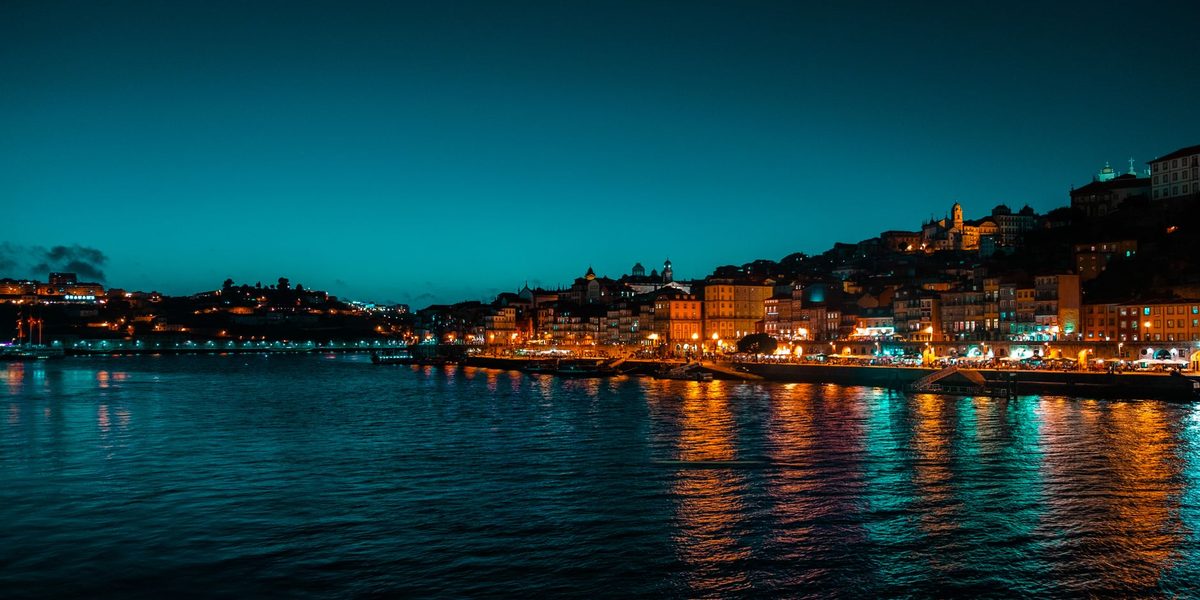
Venice is irreplaceable — no honest list claims otherwise — but its peak-season reality is a beautiful city hosting more visitors than it can dignify. Ghent, Belgium's canal-laced university city, offers the medieval-waterfront fantasy with the crowds dialed down an order of magnitude: gabled quays, a brooding castle, altarpiece-grade art, and canalside terraces where the seats are for sitting rather than turning over.
What you keep: canal reflections, stone-lane wandering, world-class art, evening atmosphere that improves after day-trippers leave — because there barely are any. What you give up: the sheer impossibility of Venice — a city on water has no true substitute — plus the gondola pageantry and the Adriatic light. Verdict: swap if your dream is atmosphere; go to Venice anyway if your dream is specifically Venice, but sleep there overnight and see it at dawn, which is the only version that still delivers.
Skip Bali's Hotspots, Try Lombok — One Island East, One Decade Back
Bali's south — the beach clubs, the traffic, the influencer economy — has drifted far from the island idyll its reputation still sells. Its neighbor Lombok offers what much of Bali offered before fame: surf beaches with room to breathe, a magnificent volcano trek, waterfalls without turnstiles, and the offshore Gili islands' sandy, car-free ease.
What you keep: the beaches, the surf, the tropical-volcano scenery, low costs. What you give up: a lot — Bali's temple-and-rice-terrace culture is genuinely singular, its food and wellness scene is world class, and Lombok's infrastructure is rawer, with fewer polished stays and thinner nightlife. Verdict: a swap for beach-and-nature travelers, not culture seekers. The strongest play is the combination: Bali's cultural heart midweek, then Lombok for the beach week.
Skip Kyoto's Peak Spots, Try Kanazawa — The Same Beauty, Unshared
Kyoto itself is not the problem — its half-dozen marquee sights are, where the famous bamboo grove and shrine gates now function as photo queues. Kanazawa, up the coast, preserves the same golden-age Japan in walkable concentration: samurai and geisha districts, one of the country's most celebrated gardens, a superb food market, and craft traditions from gold leaf to lacquer — with a fraction of the foot traffic.
What you keep: gardens, wooden lanes, tea culture, kimono-era atmosphere, exceptional seafood. What you give up: scale and icons — Kanazawa has no golden pavilion, no thousand-gate mountainside, and its temple count is a rounding error against Kyoto's. Verdict: first-time visitors to Japan should still see Kyoto — strategically, at dawn, midweek — but adding or substituting Kanazawa converts a checklist into a vacation. Repeat visitors should simply go.
Skip Dubrovnik in Season, Try Kotor — The Walled Bay Nobody Regrets
Dubrovnik's walled old town is a masterpiece with a capacity problem: cruise arrivals can double the human density of the old city by mid-morning. Kotor, tucked at the end of a fjord-like bay in Montenegro, answers with its own walled medieval town, a mountain fortress climb with staggering views, and a bay drive that outranks most famous coastlines.
What you keep: the stone-lane atmosphere, the fortress views, the Adriatic swimming, dramatically better value. What you give up: Dubrovnik's polish and grandeur — its walls and monuments are simply a class above — plus deeper hotel and restaurant depth. Kotor also has its own cruise days, so timing still matters. Verdict: swap gladly in high summer; in the quiet months, Dubrovnik reclaims its crown and the swap loses its point.
Skip the Amalfi Crush, Try the Cilento Coast — Italy Without the Queue
The Amalfi Coast's beauty is real and so is its arithmetic: one cliff road, endless demand. An hour and a half south, the Cilento coast offers what Amalfi's postcards promise — fishing towns, clear coves, mountains meeting the sea — plus magnificent Greek temples, at prices and densities from another era of Italian travel.
What you keep: the sea, the seafood, the lemon-scented South, room to park and breathe. What you give up: the vertical spectacle — Amalfi's cliff-stacked villages are the scenery, and Cilento's gentler coast cannot match them — along with boutique-hotel glamour and name recognition. Verdict: travelers chasing the visual icon should brave Amalfi off-season instead; travelers chasing an Italian coastal holiday — swimming, eating, idling — get more of one in Cilento, for less.
A closing note on the economics of swapping: the alternative is usually cheaper, but not always by as much as expected, because smaller places have smaller lodging inventories and their best rooms sell out fast once the swap lists find them. Book the alternative with the same lead time you would give the icon, and you keep both the peace and the price advantage.
How to Judge Any Swap Yourself
- Name the one thing you actually want from the famous place; if the alternative lacks exactly that thing, the swap will disappoint.
- Swap for texture, not icons: alternatives deliver atmosphere brilliantly and landmarks poorly.
- Check the alternative's own calendar — quieter cousins have festival weeks and cruise days too.
- Consider the timing swap first: the famous place at dawn, midweek, off-season is often the best alternative of all.
- Combine rather than replace when the budget allows — icon briefly, alternative at length.
Final Thoughts
The honest case for swaps is not that the alternatives are secretly better — it is that crowding is now part of the product, and a slightly lesser sight enjoyed in peace routinely beats a greater one experienced through a crowd's shoulders. Milos and Kanazawa prove the trade can be nearly painless; Lombok and Cilento prove it can cost real icons and still be worth it. Make the swap when what you want is a trip; hold the line when what you want is the singular, irreplaceable thing itself — and in that case, go at dawn, go off-season, and give the masterpiece the conditions it deserves.