Train travel keeps being rediscovered, and for good reason: it turns the space between destinations from dead time into the trip itself. But regions are not equally built for it. Some have networks so dense and punctual that a car would be a downgrade; others have one glorious scenic line surrounded by logistical wilderness. This ranking judges six celebrated rail regions on four criteria — network density (can trains alone carry the whole trip?), window scenery, ease for non-locals (tickets, language, navigation), and value. The question throughout is not whether a famous train exists, but whether the region rewards building an entire vacation around rails. Honest cons ride along with every pick.
How the Regions Were Judged
Network density counts most: a true rail region connects the places you actually want to go, hourly, without a car waiting at the end. Window scenery rates the average journey, not just the one famous route. Ease covers ticketing clarity, reservation complexity, and how gracefully the system treats a confused visitor with luggage. Value weighs fares and passes against what the same trip costs by other means. Sleeper romance and dining cars break ties.
6. India's Classic Routes — The Greatest Theater, the Steepest Learning Curve
Indian rail is the most storied network on earth, and riding it remains one of travel's great experiences: chai sellers at dawn, landscapes wheeling past open doors, entire social worlds arranged by carriage class. Network density is phenomenal — nearly everywhere meaningful has a station — and value is unbeatable, with overnight journeys costing less than lunch in Zurich. The cons are the learning curve: booking classes and quotas baffle first-timers, delays are structural, stations overwhelm, and comfort varies wildly between classes. This is rail travel as immersion, not convenience — ranked sixth for ease, first for stories. Verdict: for seasoned travelers it is a destination in itself; for a first rail vacation, it asks more than it should.
5. Norway and Scandinavia — Few Lines, All of Them Spectacular
Scandinavia's rail offer is quality over quantity: the mountain crossing between Oslo and Bergen, the branch line plunging to the fjords, Sweden's arctic routes — journeys so scenic they headline itineraries. Trains are clean, punctual, and effortless to book, and stations connect neatly with the boats that finish the fjord journeys. The cons: density is the weakest here — vast beautiful areas simply have no track, forcing buses, boats, or cars into any ambitious route — and value stings, with fares and everything around them priced at Nordic levels. Verdict: the best individual journeys on this list embedded in the thinnest network. Ride the famous lines as the spine of a trip that expects to use other transport, and it is glorious.
4. Spain — The Quiet Overachiever
Spain built one of the world's great high-speed networks while few were watching, and it changes what a Spanish vacation can be: major cities sit two or three smooth hours apart, letting you string Andalusian courtyards, Basque pintxos, and capital museums into one carless trip. Stations are modern, trains are punctual to a degree that surprises even northern Europeans, and advance fares are genuinely reasonable. The cons: the network is hub-shaped around Madrid, so cross-country routes can require backtracking; the countryside between cities — whitewashed villages, wine valleys — often still wants a car; scenery from the high-speed lines is pleasant rather than thrilling; and mandatory seat reservations plus airport-style security remove the hop-on spontaneity that defines the regions above it. Verdict: the best city-to-city rail vacation in Europe that almost nobody plans on purpose.
3. Italy — Rails Through the Greatest Hits
Italy's network threads directly through the country's headline attractions: fast lines link Venice, Florence, Rome, and Naples in gallery-hopping succession, while regional trains reach the coastal villages of the Cinque Terre, the lakes, and Sicily's shores. Value is strong — regional fares remain refreshingly cheap — and the trip composes itself: no other country lets rails alone connect this much canon. The cons: regional services can run late and crowded, strikes are a periodic national tradition, major stations demand pickpocket awareness, and the deep countryside — Tuscan hill towns above all — still assumes a car. Verdict: the most rewarding destination rail network on this list; the machinery is imperfect, but what it connects is unmatched. Learn the validation rules for regional tickets and Italy by train is the classic European trip, solved.
2. Japan — The Machine That Runs on Time
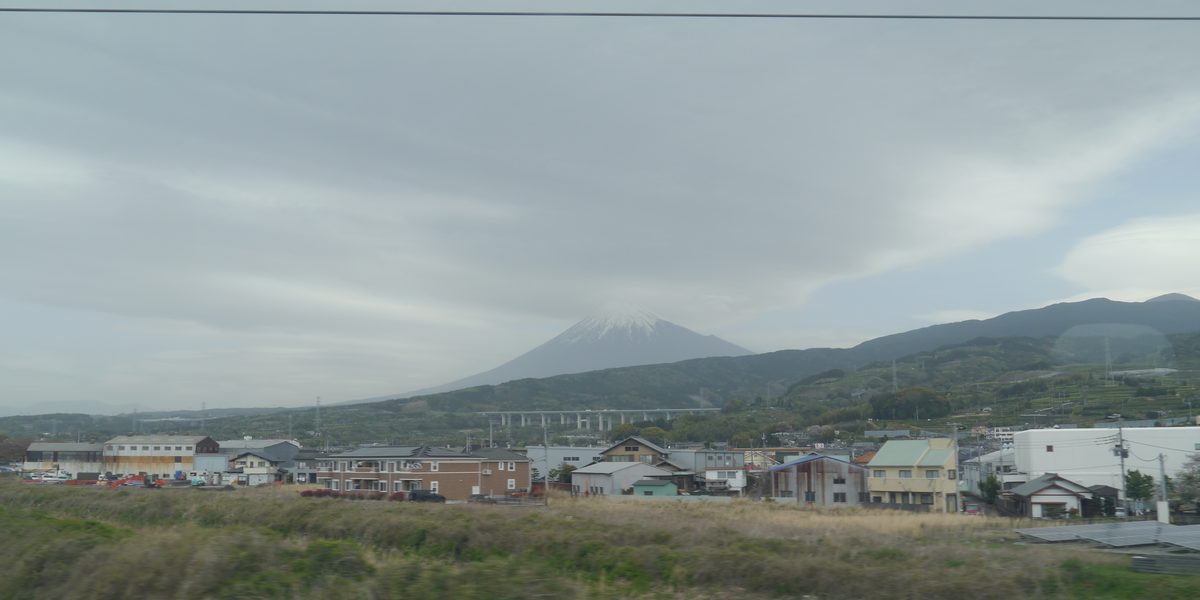
Japan is what a rail civilization looks like at full development: bullet trains that make a country-length journey feel like a commute, punctuality measured in seconds, stations that are destinations — food halls, department stores, entire neighborhoods underground — and a rail-pass culture built explicitly for visitors. Density is superb along the main corridors, ekiben station bento turn every journey into a picnic, and the system's legibility (English signage, numbered everything) makes it far easier than its reputation. The cons: value has softened as visitor passes have grown pricier, rural branch lines run sparse, luggage space on bullet trains is tight enough to require planning, and the famous Fuji-view seats sell fast. Verdict: the world's best trains — edged out only by a region whose windows are better.
1. Switzerland — The Country That Is a Train Set
Switzerland wins because the entire nation functions as one integrated scenic railway. Density is total: trains, funiculars, cable cars, and lake steamers interlock on a single timetable and often a single pass, reaching villages that do not even have roads. The window scenery is the best on earth as a matter of course — the famous panoramic routes are merely the celebrities of a network where the ordinary Tuesday commuter line crosses viaducts other countries would print on currency. Ease is absolute: no reservations on most routes, luggage forwarding between hotels, connections timed to minutes. The single con is the famous one — cost — though the travel passes soften it substantially, and the network replaces a rental car entirely. Verdict: the purest expression of the idea that the journey can be the vacation. If trains are the point, this is the place.
One practical note that applies across all six regions: passes are not automatically the answer. Visitors default to rail passes out of habit, but point-to-point advance fares frequently undercut them, especially in Spain and Italy where early booking discounts run deep. Price your actual itinerary both ways before buying, and remember that the pass's real value is often flexibility rather than savings — worth paying for on a loose trip, wasted on a fixed one.
Choosing Your Rail Trip
- First rail vacation: Switzerland or Italy — one for scenery, one for sights.
- Speed and precision: Japan, and it is not close.
- Best value: India by miles; Italy's regional network in Europe.
- Single most scenic days: Norway's mountain-and-fjord lines, Switzerland's panoramas.
- Cities without a car: Spain's high-speed triangle.
- Maximum adventure per ticket: India's overnight classics.
Final Thoughts
Great rail regions share a secret: they remove the worst parts of travel — traffic, parking, airport theater — and quietly return hours of scenery, reading, and arrival-in-the-center ease. Switzerland and Japan top this list because their networks make the car feel like the compromise; Italy and Spain prove rails can carry a whole classic vacation; Norway and India offer the individual journeys you will describe for years. Book window seats on the scenic side, travel light enough to lift your own bag, and let the timetable set a gentler pace than any highway ever has. The destination will still be there — the point is that now, so is the getting there.