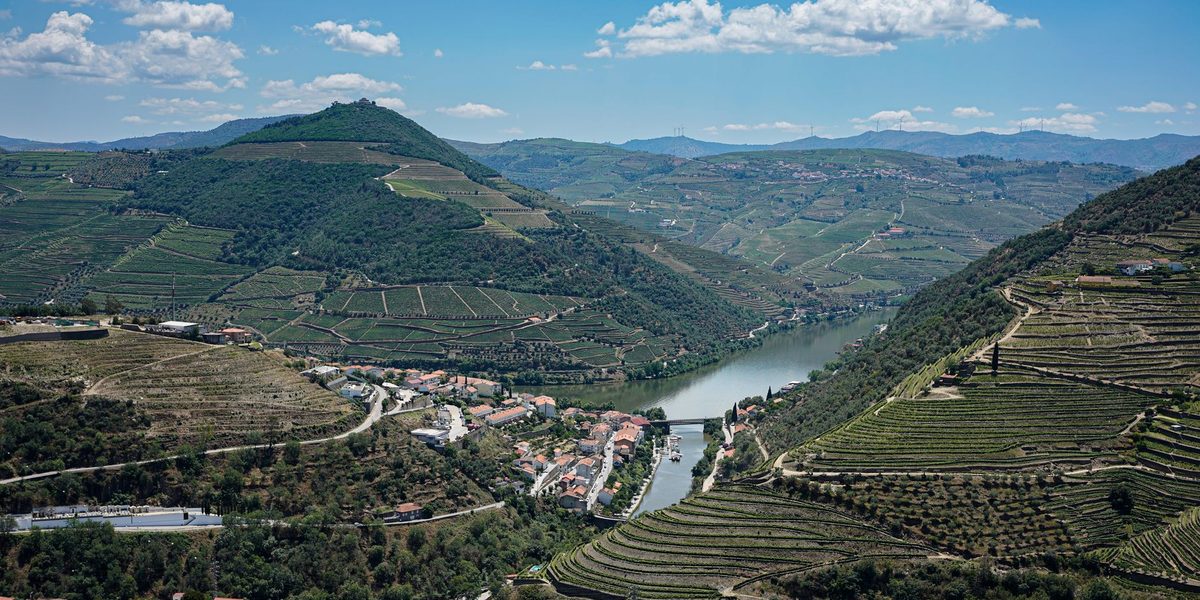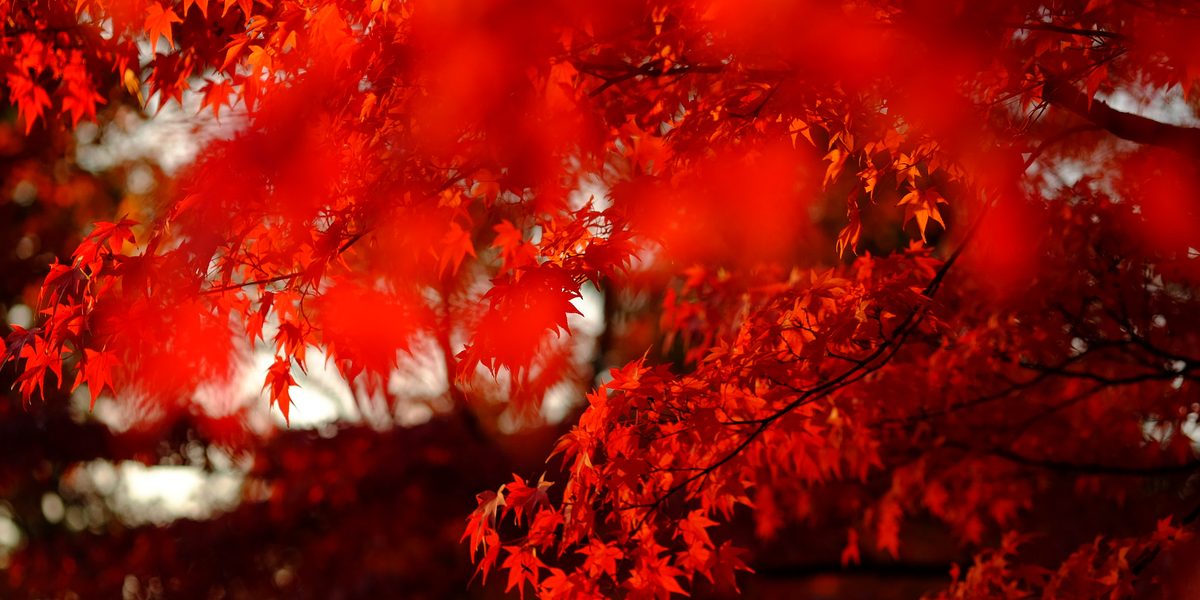
Chasing fall color is the most weather-dependent form of travel there is — a trip built around a phenomenon that arrives on its own schedule, peaks for a matter of days, and can be stripped by a single storm. That makes destination choice matter enormously: some regions deliver reliable, weeks-long color across huge areas, while others offer a brief and localized show that punishes bad timing. This ranking judges six of the world's great foliage destinations on three criteria — color reliability across the season, crowd pressure at the famous viewpoints, and ease of touring by road or rail. Everything here is described in seasonal terms rather than dates, because the leaves have never once consulted a calendar. Honest cons included, as always.
How Foliage Destinations Were Judged
Color reliability rewards regions with diverse tree species and long elevational gradients — the mix that guarantees something is peaking whenever you arrive, rather than a single-species forest that turns and drops in one week. Crowd pressure matters more in this genre than almost any other, since everyone chases the same short peak. Touring ease covers scenic road and rail density, walkable viewing, and lodging spread. A destination that requires you to hit one perfect week scores low, however glorious that week is.
6. The Scottish Highlands — Moody Gold for Contrarians
Scotland's autumn is the least famous on this list and the most atmospheric: birch and larch turning gold against dark crags, bracken rusting across whole hillsides, lochs doubling everything by reflection. The crowd situation is the best here — shoulder-season Highlands are quiet, lodging is easy, and single-track roads that madden summer drivers empty out. The cons keep it sixth: color reliability is the weakest of the six, since the palette leans gold-and-bronze rather than the scarlet fireworks of maple country, and the weather can hide the show behind a week of horizontal rain. Daylight also shortens noticeably as the season deepens. Verdict: a magnificent moody-autumn trip for travelers who want landscape with their leaves — but not a color-first pilgrimage.
5. Bavaria and the Alps — Foliage With a Skyline
Alpine autumn stacks its color vertically: golden larches and beeches beneath fresh-dusted peaks, with castles, lakes, and cream-colored villages doing the supporting work. Touring ease is excellent — trains, cable cars, and famously scenic roads — and the season doubles as the quiet gap between summer hikers and winter skiers, meaning kind prices and thin crowds. The cons: the color show is narrower in species and shorter in window than the maple regions, high-elevation weather can turn abruptly, and some lifts and mountain huts wind down for the between-season pause exactly when the leaves peak. Verdict: the best backdrop on this list — autumn as one layer of an alpine spectacle rather than the whole show. Pair leaves with lake steamers and castle terraces and it overdelivers.
4. Quebec and Eastern Canada — The Bold Early Show
Canada's maple belt produces color as saturated as anywhere on earth, and it arrives earlier than its southern neighbors — a gift for travelers whose schedules favor the front half of the season. The Laurentians and Eastern Townships deliver classic red-and-gold lake country, national parks add fjords and river gorges, and the cities let you bracket the trip with old-world streets and serious food. Crowds trail New England's noticeably, and lodging value is better. The cons: the peak is intense but comparatively brief, an early cold snap can compress the season sharply, and the touring infrastructure — while good — offers fewer of the postcard villages that make its southern rival so composable. Verdict: nearly the full New England experience with less elbow competition, if your timing flexibility leans early.
3. The Japanese Alps and Kyoto's Gardens — Autumn as an Art Form
Japan treats fall color the way it treats cherry blossoms: as a national event with forecasts, evening illuminations, and centuries of garden design built for exactly this month. The maples — small-leaved, impossibly red — turn temple gardens into compositions no wild forest can match, and the season runs long, descending from the high Alps to the coastal cities over many weeks, which makes catching peak color somewhere almost guaranteed. Rail touring ease is the best on this list. The cons are significant: the famous Kyoto gardens at peak are as crowded as anywhere in world travel, viewing is concentrated and queued rather than sweeping and roadside, and the trip's cost and distance are the highest here. Verdict: the most refined foliage experience on earth — ranked below the road-trip giants only because contemplating a perfect maple over a temple pond is a different sport from driving through forty miles of burning hillsides.
2. The Rockies and Mountain West — Gold at Full Scale
Aspen country stages the most dramatic single-species show in the autumn world: entire mountainsides of gold shimmering against evergreen and granite, at a scale that makes the eastern forests feel intimate. Reliability within its window is strong — high-country aspens turn with impressive synchrony — and the touring is glorious, with high passes, alpine lakes, and long sightlines built for photographers. Crowds concentrate at a handful of famous groves but dissolve within a mile of any trailhead. The cons: the window is short and elevation-dependent, early snow can end the show overnight, and the palette is essentially one triumphant color — travelers wanting the full red-orange-gold spectrum will miss the hardwood mix. Verdict: the best foliage trip for scale and drama, second only to the one place that has everything.
1. New England — Still the Champion, and It Is Not Close
New England remains the standard against which every foliage destination is measured, because it solves the genre's core problem: reliability. An enormous diversity of hardwoods — sugar maple, birch, beech, oak — turning at different moments across latitudes and elevations means the region as a whole peaks for weeks, and a flexible driver can chase perfect color from the northern mountains south to the coast. The touring infrastructure is unmatched: dense scenic byways, covered bridges, farm stands, and white-steepled villages that seem art-directed for the season. The cons are earned: this is the most crowded autumn on earth, with the famous corridors jammed on peak weekends and inn prices surging to match; lodging in the marquee towns books out far ahead. Go midweek, favor the quieter corners, and accept the company — the show is worth it. Verdict: the most complete, most reliable, most tourable fall-color destination in the world.
Timing Rules That Beat Any Forecast
- Book flexibility, not a date: reserve lodging you can shift, and follow the color reports when the week arrives.
- Use elevation as a dial: higher turns earlier — if the valleys are green, drive up; if the ridges are bare, drive down.
- Go midweek, always: foliage crowds are a weekend phenomenon almost everywhere.
- Chase light, not just leaves: low morning and late-afternoon sun doubles any forest's color.
- Have a rain plan: wet leaves on dark trunks photograph better than most sunny days — the season rewards those who go out anyway.
Final Thoughts
Fall color is the rare travel spectacle that money cannot schedule — which is exactly why destination choice is the whole game. New England wins on the only criterion that ultimately matters, the odds that you and the peak actually meet; the Rockies and Japan offer the more dramatic and more refined variations for those who can aim carefully. Whichever you choose, build the trip like a hunter rather than a tourist: flexible lodging, a full tank, an early alarm, and the humility to let the season lead. The leaves do not perform on demand — but in the right region, with a loose plan, they very rarely stand you up entirely.