The bathroom is the smallest room in the house and somehow the biggest magnet for accessory spending — caddies, organizers, mats, hooks, dispensers, and a thousand clever solutions for a space measured in inches. It's also the harshest environment in the home: daily humidity, standing water, and soap film destroy flimsy products faster than anywhere else. That combination makes bathroom gear a category where the difference between worth-it and waste is unusually stark. Here's an honest evaluation of what earns its place in a real bathroom, what to look for in each type, and the purchases that rust, mildew, or annoy their way into the trash.
The Humidity Test
Before any specific product, learn the rule that governs the whole room: everything in a bathroom lives in a rainforest, and it must be judged on how it handles water. Products that trap standing water — solid-bottom cups, unventilated soap dishes, mats that never fully dry — become slimy science experiments on a schedule. Products made of cheap coated metal shed their finish and rust within months. The winners across every category share the same traits: rustproof materials, drainage or ventilation designed in, and surfaces you can actually wipe. Hold any bathroom accessory in the store and ask two questions — where does the water go, and what happens to this material when it never quite dries? Most of the aisle fails the interview.
Shower Storage: The Caddy Question
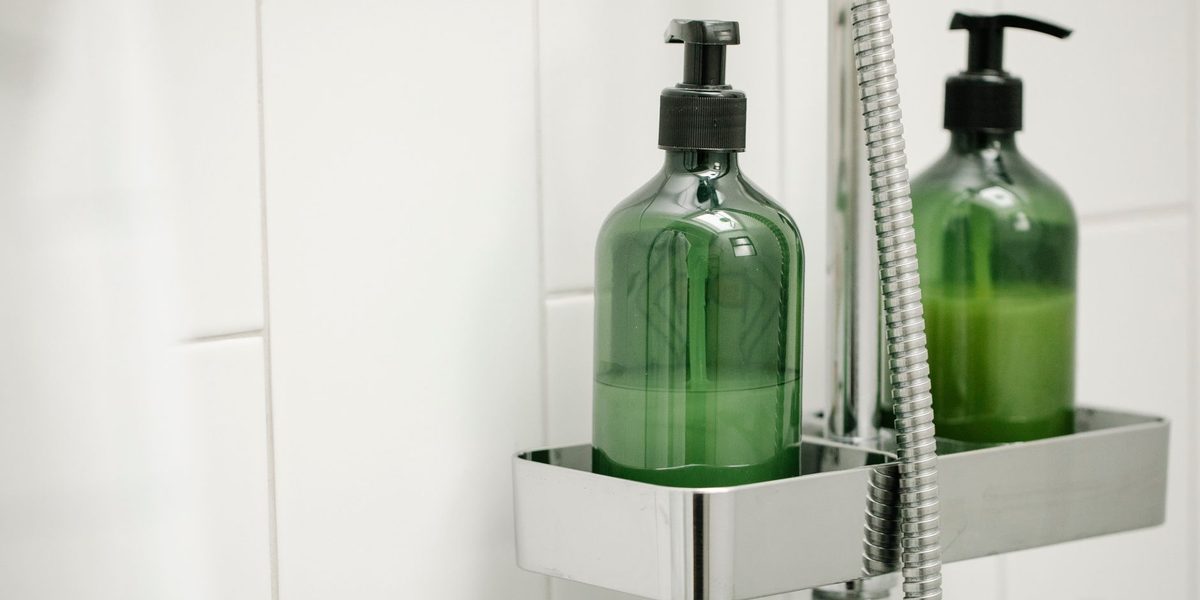
Shower storage is the room's most-regretted purchase category, dominated by three designs. The shower-head-hanging caddy is the classic: cheap, easy, and the first to fail — it sways, dumps bottles, and if it's coated wire, it rusts at the joints. The tension pole caddy holds more and stands in corners, but demands a solid mounting spot and a household gentle enough not to knock it loose. The quiet winner for most bathrooms is the third option: individual shelves or baskets fixed to the wall with modern adhesive or suction systems rated for real weight — no drilling, no swaying, positioned exactly where each person needs them. Renters get their deposit back; owners can graduate to screwed-in versions of the same idea.
Whichever design fits your shower, insist on rustproof material — solid stainless, aluminum, or good plastic — and open, draining shelves. And consider the humble alternative that beats most caddies: fewer bottles. Half of shower storage problems are actually shower inventory problems, and a ruthless cull outperforms any rack.
Households sharing one shower among many people face a different math: no single caddy holds four people's products gracefully. The answer that actually works is per-person portability — a small ventilated tote per family member, carried in and out dorm-style, or one assigned wall basket each. It sounds fussy and lasts, because ownership is the only organizing principle people maintain without reminders. The giant communal caddy, by contrast, becomes an archaeology site of abandoned bottles within a season.
Bath Mats: The Two-Mat Truth
Bath mat confusion comes from one word covering two different products. The mat inside the tub or shower is safety equipment: it exists to prevent slips, it should have serious suction and texture, and it needs regular lifting and rinsing to stay wholesome underneath. The mat outside is a towel for your floor: its job is absorbing drips and drying quickly. For the outside mat, the fair rankings are simple — thick woven cotton feels best and launders easily; microfiber dries fastest; the memory-foam pillow mats feel luxurious for a month and then hold moisture like a sponge and wash poorly; and wooden slat mats, teak-style, are the underrated pick that never stays wet at all. Whatever you choose, washability is the whole game: a bath mat that can't go in the machine weekly is a mildew farm with a pattern on it.
Towel Storage That Actually Dries Towels
Towel hardware gets chosen for looks and then blamed for smells, when the physics were decided at purchase. A towel dries in proportion to the air that reaches it: bars beat hooks decisively, because a towel spread on a bar dries in hours while the same towel bunched on a hook stays damp at its core and sours. Hooks still earn their place for kids, for robes, and for crowded family bathrooms where bars run out — just expect hook towels to need washing more often. If wall space is short, over-door racks with multiple bars, ladder-style leaning racks, and stacked train racks put real drying capacity into small rooms. The rule of thumb: one bar's worth of spread-out space per daily shower-er, and every towel gets a home, because the floor is where towels go to die. On materials, the same humidity logic applies as everywhere else in the room — solid stainless and properly finished aluminum shrug off the moisture, while bargain chrome-over-mystery-metal blisters and rusts at the mounting points within a couple of years. Buy the bar once.
Small Organizers: The Worth-It List
The organizer wall is where bathroom spending gets silly, but several small items pass the humidity test and the daily-use test together:
- Drawer dividers or small bins — the single highest-impact organizer in the room; toiletry drawers without walls become junk drawers with toothpaste.
- A draining soap dish or a switch to pump dispensers — either one ends the soap-slime saucer forever.
- An under-sink two-tier organizer — the cabinet under every bathroom sink is tall, dark, and wasted; one cheap shelf system doubles it.
- A toilet brush with a ventilated holder — the sealed-cup holders keep the brush perpetually wet; ventilation is the entire product.
- A shower squeegee on a hook — thirty seconds after each shower prevents most glass and tile scrubbing; the highest-leverage habit in the room.
- Suction or adhesive hooks rated for real weight — for loofahs, kids' items, and everything currently balanced on an edge.
All cheap, all boring, all still working in five years.
The Skip List
The bathroom's gimmick shelf is crowded and consistent. Over-toilet étagère shelving looks like free storage and functions as a wobbly dust display that makes cleaning the toilet harder. Heated towel racks are genuine luxury in cold, damp climates and expensive towel-warmers-for-guests everywhere else — buy one for the winter you actually have. Elaborate matching countertop sets — tray, tumbler, tissue cover, canister — donate half their pieces to the cabinet within a year; buy the two pieces you'll use, not the set. Motion-sensor soap dispensers add batteries and failure to a pump that already worked. And any fabric-covered or unsealed-wood accessory is a mildew appointment. The pattern to spot before buying: bathroom gimmicks sell hotel aesthetics into a room that behaves like a greenhouse. The room always wins.
Final Thoughts
Outfitting a bathroom well is mostly the discipline of respecting water. Choose rustproof over pretty-coated, draining over sealed, washable over plush, and bars over hooks wherever towels are involved — then spend the money you saved on the few workhorses that pass every test. A bathroom equipped this way stays cleaner with less scrubbing, smells like nothing at all, and quietly outperforms the photogenic version in every way that matters at seven in the morning. Replace what fails without sentiment, resist the matching set, and let the room's own weather make your buying decisions — it was always going to have the final vote anyway. The best bathroom gear is the kind you stop thinking about entirely, because it drains properly, dries completely, and simply keeps on working, year after humid year, without once demanding your attention.