Coffee equipment is a category where spending and satisfaction have almost no relationship. Kitchens with a small fortune in gleaming machines pour mediocre cups every morning, while a modest setup in the next house over makes coffee people rave about. The difference is that coffee rewards a few specific investments enormously and ignores the rest. Before buying anything — or upgrading everything — it's worth understanding where the money in this category actually goes to work, and where it just goes.
The Grinder Is the Whole Secret
Here's the least glamorous truth in home coffee: the grinder matters more than the brewer. Coffee starts losing its aroma within minutes of grinding, which is why pre-ground coffee from any source tastes flat compared to beans ground the same morning. And grind consistency — every particle roughly the same size — determines whether your coffee extracts evenly or comes out simultaneously bitter and sour. No brewing machine, however expensive, fixes uneven grounds.
This is why the standard advice from every serious coffee person is the same: buy a burr grinder, not a blade grinder. Blade grinders chop beans into random rubble — boulders and dust in the same batch. Burr grinders crush beans between two surfaces to a uniform, adjustable size. A modest burr grinder paired with a cheap brewer beats a premium brewer fed by a blade grinder every single time. Hand-crank burr grinders bring the price down further for anyone willing to spend a minute grinding; they're also quiet, which morning households appreciate. If your entire coffee budget is one upgrade, this is it — the single highest-return purchase in the category.
Drip Machines: Fine, and Better Than Their Reputation
The ordinary drip machine gets sneered at by enthusiasts and deserves better — it's convenient, consistent, and serves a whole household at once. The quality gap within the category is real, though, and it comes down to one thing: water temperature. Cheap machines heat water insufficiently and spray it unevenly, producing weak, flat coffee no matter the beans. Better machines hit proper brewing temperature and saturate the grounds evenly. Look for models certified for brewing temperature or reviewed specifically on that point, a flat-bottom or cone brew basket that drains evenly, and a thermal carafe rather than a hot plate — coffee left on a burner cooks into something bitter within half an hour.
What's not worth paying for in a drip machine: app control, flavor-strength buttons that just change brew time, built-in grinders (they combine a mediocre grinder with a machine you now can't fix separately), and single-cup pod attachments. Simple, hot, and thermal wins.
Manual Brewers: Maximum Cup, Minimum Money
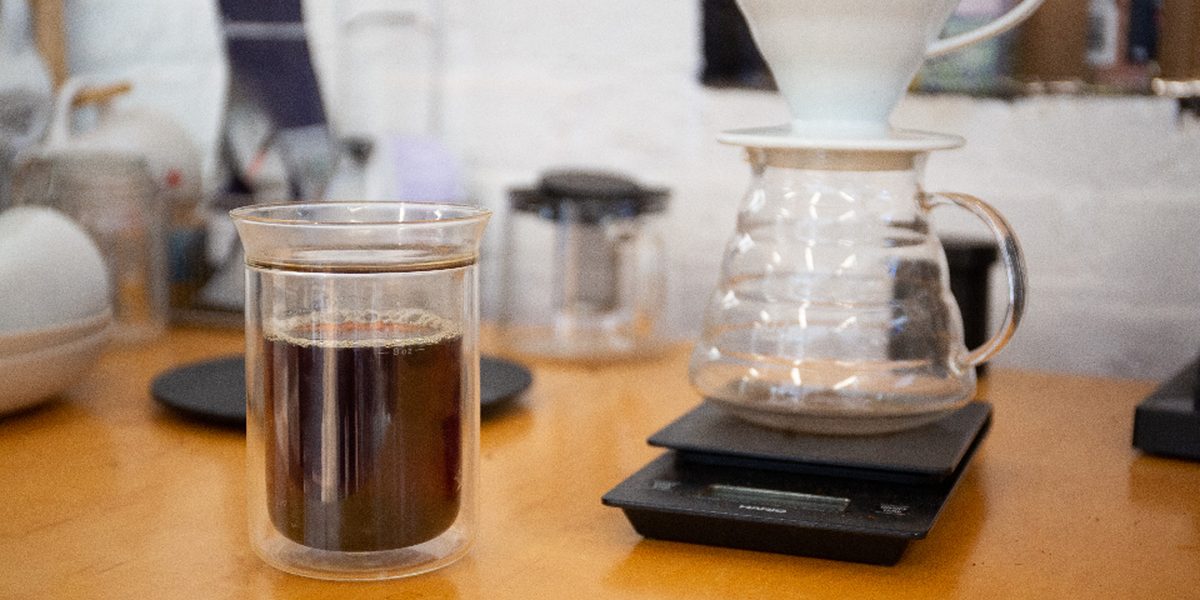
The manual methods — French press, pour-over cones, and their cousins — produce the best coffee-per-dollar in the entire category, because you supply the machinery. A French press is nearly indestructible, costs little, and makes rich, full-bodied coffee; its only demands are a coarse, even grind and a few minutes of patience. Pour-over cones cost even less and produce a cleaner, brighter cup, at the price of a little technique and your attention. Neither is better; they're two different cups, and many households keep both for different moods.
The accessories around manual brewing sort neatly into worth-it and theater. A gooseneck kettle genuinely helps pour-over — the controlled stream is the whole technique — and an inexpensive digital scale improves every method by ending the guesswork of scooping. Beyond those two, the specialty timers, branded stands, and artisan drip stations are décor. Hot water, good grounds, and a scale make the cup; the rest makes the photograph.
Storage gear rounds out the manual setup, and here the advice is almost free: keep beans in any airtight, opaque container away from heat, and buy quantities you'll finish within a few weeks. The elaborate vacuum canisters with date dials are pleasant but optional; the habit of buying fresh and buying less does the same work. Freezing beans in sealed portions is a legitimate trick for bulk buyers — just thaw before grinding and don't cycle the same bag in and out of the cold.
Espresso at Home: The Honest Warning
Espresso is where coffee budgets go to die, so it deserves the fairest warning in this guide. Real espresso — the concentrated, syrupy shot with dense crema — requires serious pressure, temperature stability, and a grinder even better than the one described above, because espresso magnifies every inconsistency. Entry-level espresso machines mostly disappoint people who love café espresso, producing something closer to strong coffee. Getting genuinely café-quality shots at home means a mid-to-upper tier machine, a capable grinder, and a hobbyist's willingness to practice and fiddle. As a hobby, it's deeply rewarding. As an appliance purchase expecting push-button café results, it's the most common regret in coffee.
The honest alternatives serve most espresso cravings better: a stovetop moka pot makes strong, rich, espresso-adjacent coffee for a tiny price, and milk-drink lovers can froth milk with an inexpensive standalone frother over moka or strong drip. Households that mostly want lattes are usually happier with that setup than with a budget espresso machine. There's also a maintenance truth nobody mentions at purchase: espresso machines demand regular backflushing, descaling, and gasket care, and a neglected machine drifts out of tune within months. The people delighted with home espresso are, almost universally, the people who enjoy that ritual. If the ritual sounds like a chore, believe yourself now rather than after the purchase — the moka pot asks for nothing but a rinse and makes a proud little cup every time.
Pods and Convenience Systems
Pod machines earn a fair verdict rather than a sneer: they trade cup quality and per-cup cost for absolute convenience and zero cleanup, and for some households — one coffee drinker, chaotic mornings, office corners — that trade is legitimately worth it. The coffee is serviceable, never great, and the ongoing pod cost quietly exceeds whole-bean brewing within months. Buy one knowingly for convenience; just don't expect it to compete on taste, and don't stack it next to an abandoned French press that made better coffee.
A Sensible Ladder for Upgrading
For anyone building or improving a setup, the spending order that actually tracks with better mornings looks like this:
- Fresh whole beans — from any roaster whose coffee you like; freshness beats prestige.
- A burr grinder — the transformation purchase.
- A scale — consistency, every method, trivial cost.
- A brewer matched to your life — press or pour-over for one or two cups, a good thermal-carafe drip machine for households.
- A gooseneck kettle — if pour-over won.
- Espresso gear — only if you've read the warning above and want the hobby, not just the drink.
Most people who follow the first four steps report better coffee than friends who started at step six. The ladder also makes gift-giving easy: the scale and grinder are the presents that actually change someone's cup.
Final Thoughts
Coffee gear rewards the unglamorous purchases and shrugs at the glamorous ones. Grind fresh with burrs, measure what you brew, get the water properly hot, and almost any method — press, cone, or honest drip machine — will pour a cup that embarrasses far more expensive counters. Spend where the coffee can taste it, skip where only the countertop can, and let the espresso hobby be a decision instead of an impulse. Your mornings will notice the difference long before your wallet does — and unlike most kitchen upgrades, this one greets you every single day at sunrise.