Every European city claims to be a food destination now, which is exactly why a ranking is useful. Having a few great restaurants is not the same as being a great eating city. The places that truly deserve the title feed you brilliantly at every price point, at every hour, without requiring a reservation made months ahead. This list ranks seven cities purely on the eating: market culture, the quality of everyday food, value for money, and how much variety you can cover in a long weekend of dedicated appetite. Fine dining counts, but it counts less than what the average corner spot puts on your plate. And because no food city is flawless, every entry comes with its downside.
7. Copenhagen — Brilliance With a Bill Attached
Copenhagen transformed itself into one of the most influential food cities in the world, and the ripple effects reach far below the famous tasting menus. Bakeries here are arguably Europe's best, the coffee culture is serious, and even casual spots plate food with care. The city also made new-Nordic cuisine a genuine style rather than a gimmick, and eating your way through smørrebrød — the elaborate open-faced sandwiches — is a legitimate cultural activity. The con is unavoidable: cost. This is one of the most expensive cities on the continent, and a food-focused trip here will bruise a budget that would live like royalty further south. Ranked seventh not for quality, which is enormous, but because a food city should be accessible, and Copenhagen makes you pay for every bite.
6. Lyon — The Traditionalist's Pilgrimage
Lyon calls itself the gastronomic capital of France and largely backs it up. The city's signature institution is the bouchon — a snug, unpretentious bistro serving hearty Lyonnaise classics like quenelles and salade lyonnaise with carafes of local wine. The covered market food halls are a masterclass in cheese, charcuterie, and pastry, and the surrounding regions supply some of the best produce in Europe. The honest cons: Lyon's food culture is deep rather than broad. If rich, meat-forward traditional cooking is not your thing, the bouchon experience wears thin by the third meal, and the city offers less variety than the giants above it. Come hungry, come carnivorous, and Lyon is a joy. Come vegetarian and it is a challenge.
5. Istanbul — The Widest Menu in Europe
Istanbul straddles continents and its food shows it. In a single day you can eat a simit from a street cart, a long meze-laden lunch, fish sandwiches by the water, lahmacun from a wood oven, baklava that redefines the word, and a midnight bowl of lentil soup — all for less than one mid-range dinner costs in Copenhagen. Value is the best on this list, the street food culture is arguably the best in Europe, and the breakfast spread alone justifies the flight. Why not higher? Scale and navigation. Istanbul is vast and chaotic, the tourist-heavy districts serve mediocre versions of everything at inflated prices, and finding the great stuff takes research or a local. The ceiling is enormous; the floor, if you wander lazily, is lower than you would expect.
4. Lisbon — Seafood, Sweets, and Small Bills
Lisbon earns its place through sheer everyday pleasure. Grilled fish that tastes of the boat it came in on, custard tarts eaten warm with cinnamon, tiny tascas where the daily plate costs pocket change and comes with wine, and a wave of ambitious young restaurants building on those foundations. The time-honored food halls and corner grocers give the city texture, and value remains strong by Western European standards. The cons are the price of popularity: the most famous spots now have lines that outweigh the food, and some central neighborhoods have tipped into tourist-menu territory where quality slides. Lisbon rewards a five-minute walk off the postcard streets more than almost anywhere — the difference between a tourist trap and a transcendent lunch is often one block.
3. Palermo — Street Food Royalty
Palermo is the wildcard top-three pick, and it earns it. Sicily's capital has one of the oldest street food traditions in the world: arancine fried to order, panelle sandwiches, sfincione sold from three-wheeled carts, and markets — Ballarò, Capo — that feel medieval in the best way. The pastry culture, from cannoli to cassata, is untouchable. Prices are low enough to make experimentation free of risk; order everything, regret nothing. The downsides deserve honesty: Palermo is rough-edged, service can be gloriously indifferent, and the high-end scene is thin compared with northern rivals. This is a city for eaters, not diners. If white tablecloths matter to you, rank it lower. If flavor per euro is the metric, it might be first.
2. Bologna — The City That Named Itself Well
Bologna's nickname is la grassa — the fat one — and it remains the most reliable eating city in Italy. This is the home region of fresh egg pasta, mortadella, parmigiano, and balsamic, and the supply chain from farm to table is so short you can taste it. Tortellini in brodo at a family-run osteria is a life-list meal that costs less than a cinema ticket in some capitals. The food market streets in the old center are dangerous for anyone carrying an appetite and a wallet. Cons: the menu is deep but narrow — you will eat magnificently, but you will eat Emilian food at nearly every meal, and non-Italian options are limited. Also, word is out; the center's famous spots now need booking. Still, pound for pound, no city in Europe feeds you this well this consistently.
1. San Sebastián — The Highest Batting Average in Food
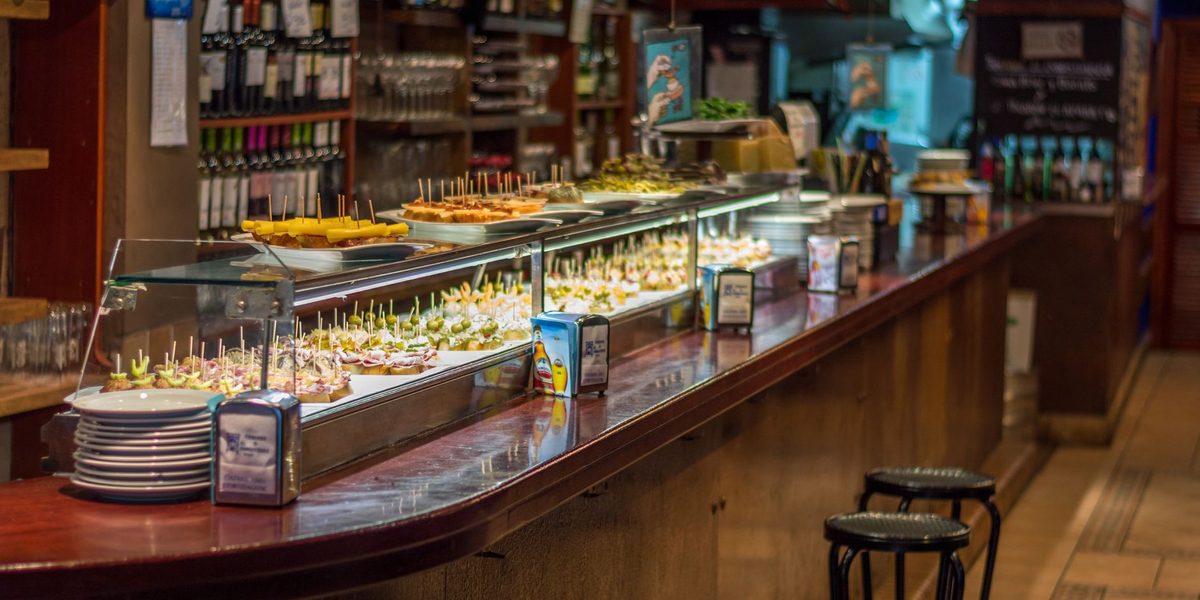
San Sebastián wins because it is impossible to eat badly there. The old town's pintxo bars turn a night out into a progressive tasting menu you assemble yourself, one bar-top masterpiece at a time. The surrounding hills hold a density of celebrated restaurants that a city twenty times its size would envy, and the local culture — private gastronomic societies, obsessive product worship — means even the humble places take food seriously. It is also compact, walkable, and set on one of Europe's prettiest urban beaches. The cons: it is expensive by Spanish standards, painfully busy in high summer, and the pintxo crawl can feel like a scrum on weekend nights. None of that dislodges it. If eating is the whole point of your trip, this small Basque city is the best place in Europe to do it.
Quick Verdicts by Appetite
- Best value: Istanbul, with Palermo close behind.
- Best single food tradition: Bologna's pasta heritage.
- Best high-end concentration: San Sebastián.
- Best street food: Palermo by a nose over Istanbul.
- Best pastry and bakery: Copenhagen, with Lisbon's custard tarts as the single best item.
How to Eat Well in Any of Them
A few habits raise your batting average in every city on this list. Eat your main meal at lunch, when set menus are generous and kitchens are fresh. Follow office workers and grandmothers rather than influencers — a line of locals at an ugly doorway outranks any award sticker in a window. Book one special dinner in advance and leave the rest of the trip unplanned so you can chase discoveries. And always order the thing the region is famous for at the place that only makes that thing; single-dish specialists are where these cities keep their best work.
Final Thoughts
The right food city depends on how you like to eat. Grazers belong in San Sebastián or Palermo, traditionalists in Lyon and Bologna, adventurers in Istanbul. The only mistake is treating these cities as interchangeable — each one feeds you in a completely different rhythm. Pick the rhythm that matches your appetite, book the trip around lunch rather than landmarks, and any city on this list will send you home planning the return.