Walk down any skincare aisle and you'll find two products fighting for the same spot in your routine: the small, expensive-looking serum and the comforting jar of cream. Marketing would have you believe you need both, applied in a precise order, every single day. But do you? This is one of the most common questions in skincare, and the honest answer is more nuanced than either camp wants to admit. Let's break down what each category actually does, where the hype ends and the value begins, and which one deserves your money if you're only buying one.
What a Serum Actually Is
A serum is, at its core, a delivery vehicle. It's a lightweight, usually water-based or gel-based formula designed to carry a concentrated dose of active ingredients into the skin. Because serums skip most of the heavy emollients and occlusives that make creams feel rich, there's more room in the formula for the ingredients that do the visible work: hydrators, brighteners, exfoliating acids, antioxidants, and smoothing agents.
That's the honest pitch, and it's mostly legitimate. The thin texture isn't a gimmick; it genuinely allows a serum to sit close to the skin and layer well under other products. The trade-off is that a serum on its own often isn't enough. It treats, but it rarely seals. Apply a water-based serum and nothing else in a dry climate, and you may actually feel tighter and drier an hour later, because there's nothing on top holding that hydration in.
What a Cream Actually Is
A moisturizing cream is a different tool entirely. Its job is less about delivering one hero ingredient and more about maintaining the skin barrier: softening with emollients, drawing in water with humectants, and sealing everything down with occlusive ingredients. A good cream makes skin feel comfortable, look plumper, and behave better over time, because a well-supported barrier is calmer and less reactive.
The category's weakness is the flip side of its strength. Because so much of the formula is devoted to texture and barrier support, creams usually carry lower concentrations of trendy actives. Plenty of creams advertise the same buzzy ingredients as serums, but they're often present at a supporting level rather than a starring one. That doesn't make them useless — it makes them a different product with a different job.
The Case for the Serum
If your skincare goal is change — brighter tone, smoother texture, fewer visible fine lines, less congestion — the serum category is where that work realistically happens. Concentration matters, and serums are built to concentrate. They're also the more flexible category: you can rotate serums seasonally, target different concerns on different days, and adjust strength as your skin adapts.
Serums also win on layering. A thin, fast-absorbing formula plays nicely under moisturizer, sunscreen, and makeup. If your routine has more than two steps, the serum is the step that slots in without disrupting anything else.
The Case for the Cream
Here's the opinion part: if you can only buy one product, buy the cream. It's not the exciting answer, but it's the correct one for most people. A serum treating skin with a compromised, dehydrated barrier is like painting a wall that hasn't been primed. Everything works better — including those expensive actives — when the skin is comfortable, hydrated, and intact.
Creams are also far more forgiving. It's hard to overdo a moisturizer, whereas it's remarkably easy to overdo serums, especially the exfoliating and resurfacing kinds. Much of what people interpret as "sensitive skin" is actually skin that's been over-treated with potent serums and under-supported with basic moisture. The cream is the safety net of any routine.
Who Genuinely Needs Both
Both categories earn their spot when you have a specific concern plus a normal need for moisture — which describes a lot of adults. In that case, the classic order holds: serum first on clean skin, cream on top to seal it in. A few honest guidelines make the pairing work:
- One serum at a time is plenty for most people. Stacking three or four serums multiplies cost and irritation risk faster than it multiplies results.
- Match the serum to a real concern, not to a trend. If you can't name what you want it to change, you don't need it yet.
- Let the cream be boring. Its job is comfort and barrier support, not fireworks. A simple, well-formulated cream is a feature, not a compromise.
- Give it time. Serums show meaningful results over weeks and months, not days. Judge them on a full season, not a fortnight.
When One Alone Is Enough
Oily skin in a humid climate can sometimes get away with a hydrating serum alone, especially one with humectants and lightweight conditioning ingredients — the environment does the sealing for you. Conversely, someone with dry skin, minimal concerns, and no patience for routines can absolutely thrive on a single good cream and sunscreen. The multi-step routine is a preference, not a requirement, and skin doesn't hand out bonus points for effort.
Age and season shift the equation too. Skin that felt fine with a gel serum in summer often wants a proper cream by winter. Rather than asking which product is better in the abstract, ask which job your skin needs done right now: treatment, moisture, or both.
How to Shop Each Category Without Getting Played
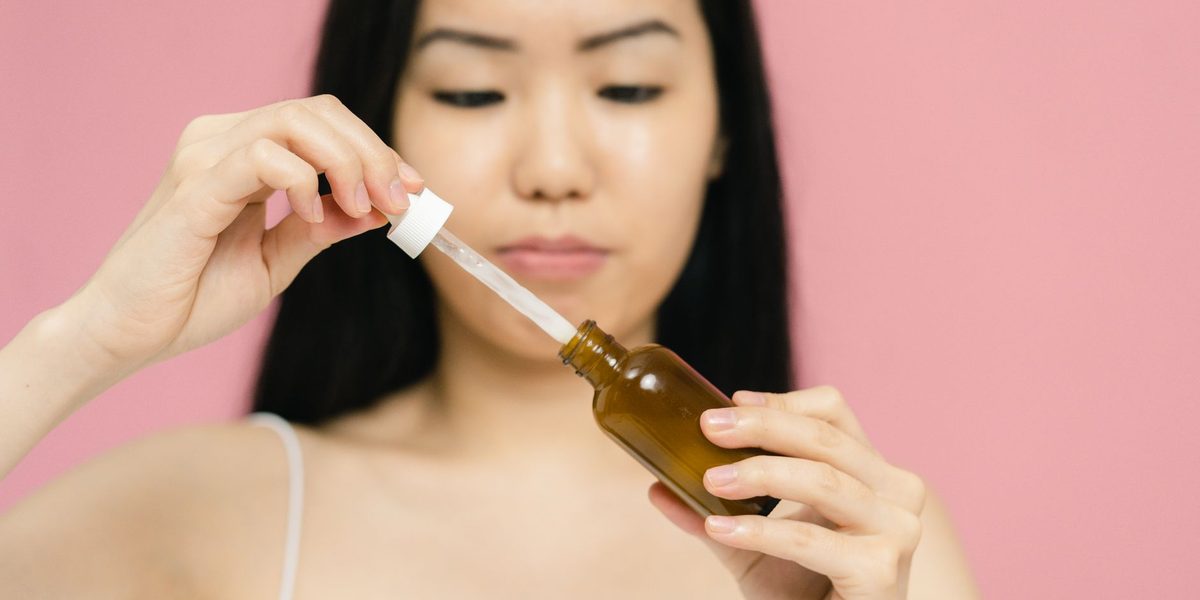
Because serums are the glamour category, they attract the most creative marketing. Watch for the classic tells: a long list of exotic-sounding extracts with no clear star ingredient, packaging that emphasizes luxury over function, and promises that read like a medical procedure. A trustworthy serum usually does the opposite — it names its key ingredient plainly, explains what it targets, and comes in packaging that protects the formula, such as an opaque bottle with a pump or dropper. If a serum's entire pitch is how it feels rather than what it does, you're probably paying serum prices for what is functionally a light moisturizer.
Cream shopping is simpler, but there are still smart moves. Texture honesty matters more than ingredient bragging: gel-creams suit oily and combination skin, classic lotions suit normal skin, and rich balms and butters suit dry or mature skin. A cream should disappear into your skin within a few minutes and leave it comfortable, not coated. And don't assume the biggest claims live in the best formulas — some of the most reliable creams in any store are the plain ones that have quietly existed for decades. In this category, boring longevity is often the strongest review a product can get.
The Value Question
Serums are typically the most expensive step per drop in any routine, which means they're also the category where wasted money hides. An unused serum that stung, sat wrong under makeup, or never showed results is one of the most common regret purchases in beauty. Creams, by contrast, almost always get used up. If you're value-minded, that finish rate matters: the best product is the one that's empty at the end.
None of this means serums are a scam. It means the burden of proof is higher. A serum should earn its place with a visible result you can point to. A cream earns its place simply by making your skin feel good every day — a lower bar, but an honest one.
Final Verdict
The cream is essential; the serum is optional but genuinely worth it when it targets a real, named concern. Start with a solid moisturizer and daily sunscreen, add one well-chosen serum once your skin is stable, and resist the pressure to collect more. If a product ever causes persistent stinging, redness, or breakouts, stop using it and consider checking in with a dermatologist. The best routine isn't the fullest shelf — it's the shortest list of products that actually earn their spot.