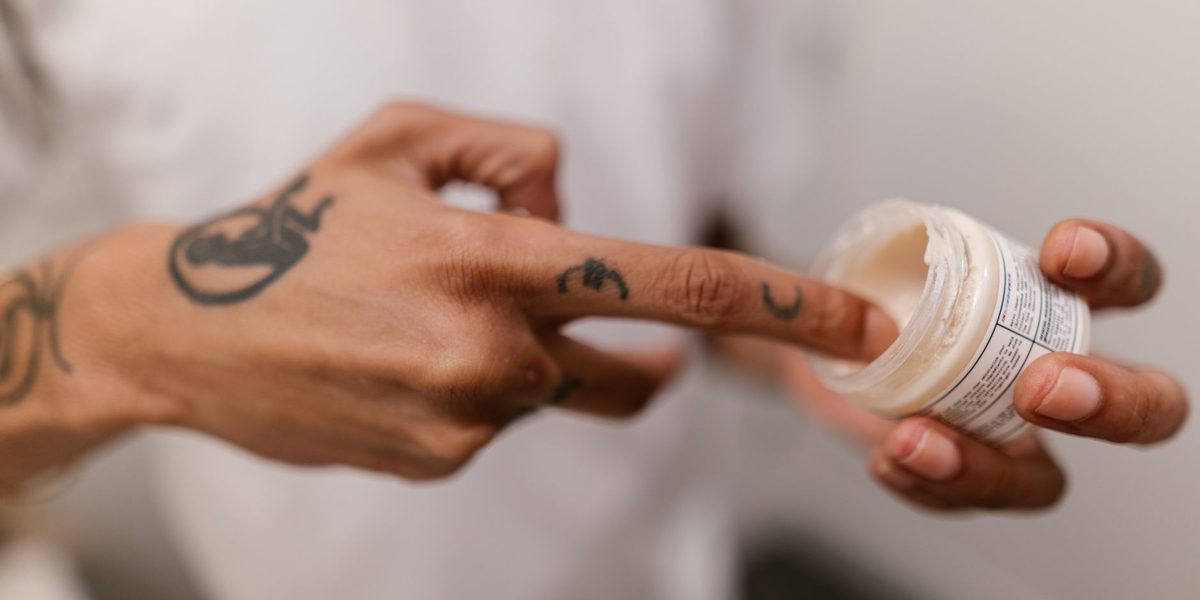
Double cleansing — washing your face with an oil-based cleanser first, then following with a water-based one — has gone from niche ritual to near-mandatory skincare doctrine. Skip it, the internet suggests, and you're sleeping in a film of sunscreen, sebum, and city grime. But is a two-step cleanse genuinely better, or is it a clever way to sell everyone two cleansers instead of one? The honest answer: it depends entirely on what's on your face at the end of the day. Let's sort the genuine benefits from the routine inflation.
What Double Cleansing Actually Does
The logic is simple chemistry. Oil dissolves oil, so an oil, balm, or oil-based micellar first step excels at breaking down stubborn, oil-soluble things: long-wear makeup, waterproof mascara, tinted sunscreens, and the day's accumulated sebum. The second, water-based cleanse then removes the residue of the first step along with sweat and water-soluble grime, leaving skin genuinely clean rather than clean-ish.
Where the method earns real credit is with products designed to resist water. Anyone who has scrubbed at waterproof mascara with a foaming gel knows the frustration — the mascara wins. An oil cleanser melts it off without the rubbing, and that reduction in friction is an underrated benefit in itself. Tugging at your eyes nightly is a habit worth eliminating.
The Case for the Believers
If you wear full-coverage foundation, transfer-resistant lip color, or a water-resistant sunscreen daily, double cleansing isn't hype — it's practical. Single cleansers, especially gentle ones, often struggle to fully remove modern long-wear formulas in one pass. The evidence is easy to generate at home: cleanse once with your usual product, then swipe a pad of micellar water across your jaw. If the pad comes away tinted, your single cleanse isn't finishing the job.
Incomplete cleansing matters more than it sounds. Leftover makeup and sunscreen can contribute to clogged pores and dullness, and it undermines everything you apply afterward — serums and moisturizers work better on actually-clean skin. For heavy-makeup wearers, the first cleanse is arguably the most functional step in the entire evening routine.
The Case for the Eye-Rollers
Here's the other side, and it's just as valid: if your day involved a light moisturizer, a standard sunscreen, and no makeup, a single gentle cleanser almost certainly removed all of it. Double cleansing that face isn't extra credit — it's over-washing. Stripping skin twice nightly can compromise the moisture barrier, and a compromised barrier shows up as tightness, flaking, redness, and the kind of reactive sensitivity people then buy more products to fix.
The beauty industry rarely advertises this, but there is such a thing as too clean. Skin isn't a dish to be degreased; it's an organ that depends on some of its natural oils. If your face regularly feels squeaky or tight after cleansing, your routine is subtracting more than it's adding, and doubling it makes that worse, not better.
Who Genuinely Benefits
Strip away the dogma and the beneficiaries are a fairly specific group:
- Daily full-makeup wearers, especially fans of long-wear and transfer-proof formulas.
- Devoted sunscreen users who choose water-resistant or mattifying formulas designed to cling.
- People in heavy-pollution or high-sweat environments — think long commutes, kitchens, gyms — where the day genuinely accumulates on the skin.
- Oily skin types who find that a single cleanse never quite cuts through evening shine without resorting to harsh formulas.
If you see yourself on that list, the two-step cleanse will likely feel like a revelation. If you don't, you're the target of the marketing, not the method.
Who Should Skip It
Dry, sensitive, and mature skin types should treat double cleansing as an occasional tool, not a nightly rule — reserved for full-makeup days. The same goes for anyone managing eczema-prone or easily-irritated skin, where every additional wash is a withdrawal from a limited barrier budget. And morning double cleansing deserves a special mention as almost entirely pointless: you wore nothing to bed but your own pillowcase. A splash of water or one gentle cleanse is plenty. If persistent irritation or breakouts are driving your cleansing anxiety, a dermatologist will serve you better than a second cleanser.
Choosing the First-Step Category
If you do double cleanse, the first-step category matters more than the brand name on it. Cleansing oils are the classic: efficient, fast, best for normal to dry skin, though some leave a film if poorly rinsed. Cleansing balms are the tidy traveler's version — solid, spill-proof, and satisfying to massage in, with a texture that suits drier skin beautifully. Micellar water is the gentle outlier: technically capable of being a first cleanse for light makeup days, and the best fit for skin that finds oils too heavy. Whichever you choose, emulsification is the skill that makes it work — massage with dry hands, add a little water to turn the oil milky, then rinse thoroughly before your second cleanse.
The second cleanser should be deliberately boring: a gentle, low-foam, pH-respectful formula. Pairing an oil cleanse with a harsh foaming gel recreates the stripping problem you were trying to avoid, just in two steps instead of one.
The Technique Mistakes That Sabotage the Method
A fair review has to admit that many people who tried double cleansing and hated it were doing it in ways that guaranteed a bad result. The most common mistake is rushing the first cleanse: an oil or balm needs a genuine minute of massage to dissolve makeup and sunscreen, not a five-second smear. The second is skipping emulsification — going straight from oily face to towel leaves a residue that people then blame on the method. The third is water temperature: hot water plus two cleansers is a barrier-stripping combination that leaves any skin type tight and unhappy. Lukewarm is the ceiling.
Product pairing errors matter too. Two deep-cleaning products stacked together — an oil cleanse followed by a scrub or a strong clarifying wash — turns a gentle method into an aggressive one. The whole point of the two-step structure is that each step can afford to be mild because it isn't working alone. Get the technique right and double cleansing feels luxurious and leaves skin soft; get it wrong and it feels like a chore that punishes your face. Before writing off the method, it's worth an honest audit of whether you gave it a fair trial.
The Middle Path Nobody Markets
The dirty secret of this debate is that double cleansing doesn't have to be an identity. The most sensible routine for most people is conditional: double cleanse on makeup-heavy and sunscreen-heavy days, single cleanse on bare-faced days, and let your skin's feedback — not a rulebook — set the ratio. Skincare routines should flex with the day you actually had. A method this dependent on context was never meant to be a nightly commandment, and treating it as one is how a useful technique became an obligation.
Final Verdict
Double cleansing is genuinely worth it — for the right face on the right day. If you wear substantial makeup or stubborn sunscreen, the two-step cleanse earns its extra minute and then some, and a good balm or oil is one of the more justifiable additions to a routine. If your days are mostly bare-faced, save your money and your moisture barrier; one gentle cleanser used well beats two used out of obligation. Verdict: a legitimate technique that marketing inflated into a universal rule. Adopt the method, skip the dogma.