Laundry gear is bought in moments of aspiration — the steamer for the wrinkle-free life ahead, the fancy hamper system for the sorting habit that starts Monday — and then judged in the cold light of an ordinary Tuesday. The gap between those two moments is where most of the money in this category is wasted. The truth is that a small set of laundry accessories genuinely improves the chore and protects your clothes, while the rest is organizational fantasy in molded plastic. Here's the honest tour: steamers versus irons, the racks and hampers that survive real use, the small stuff that quietly works, and the purchases that never earn their space.
Steamer or Iron: The Real Answer
The steamer-versus-iron question has a genuinely useful answer, and it's about your wardrobe, not the machines. A steamer relaxes wrinkles with hot vapor — fast, gentle, and forgiving on knits, delicate fabrics, and anything with structure you don't want flattened. It's the tool for the person whose clothes need de-rumpling rather than pressing: sweaters, dresses, drapey shirts, suit jackets between wears. An iron does what a steamer can't: it presses. Crisp cotton shirts, sharp creases, flattened seams, and anything that should look tailored demand a hot soleplate and pressure. Steamers can't crease; irons scorch what steamers glide over.
So the honest verdict: casual and knit-heavy wardrobes are steamer households, dress-shirt and linen households need the iron, and plenty of homes justifiably keep one of each. Within each category, spend on steam output and reliability rather than gadgetry — an iron with a clean, even soleplate and generous steam beats a feature-laden one, and a steamer that heats fast with a decent water tank beats the travel-size wand that spits and dribbles. The travel steamer is the category's most regretted purchase: too small to do the job it was bought for, too redundant once a full-size arrives.
Drying Racks: Where Cheap Costs More
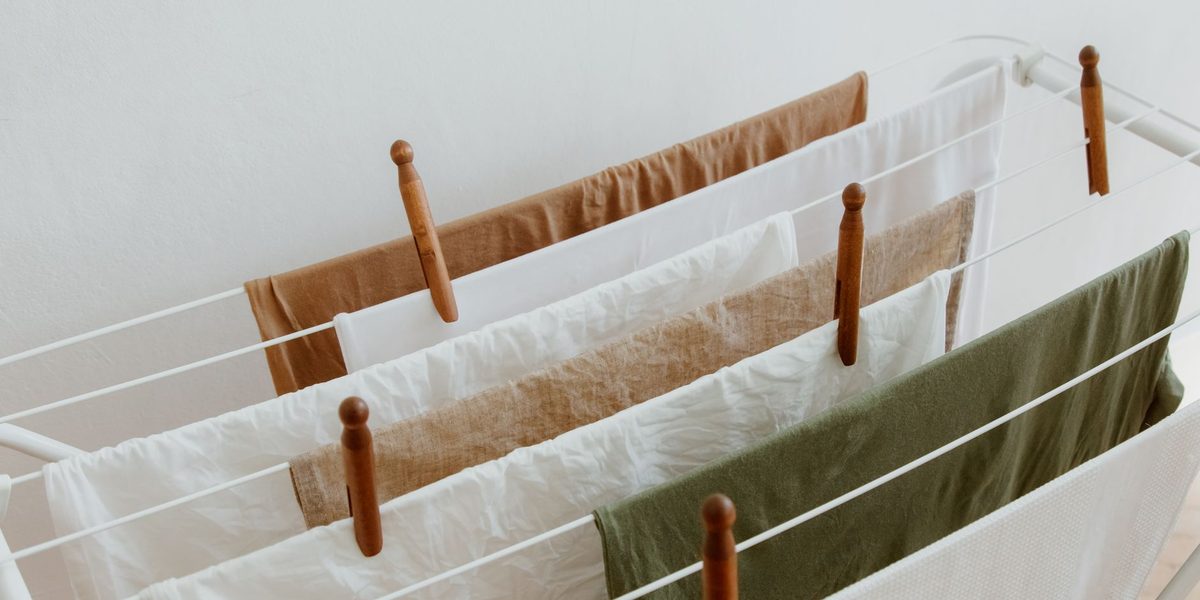
Anyone who air-dries laundry — for delicates, for shrink-prone favorites, or just to spare the dryer — needs a rack, and this is a category where the bargain option punishes you. Flimsy racks wobble, sag under wet towels, snap at the hinges, and get replaced yearly. A sturdy rack with thick rails and solid hinges costs modestly more and lasts a decade. The gullwing and tower styles hold the most per square foot of floor; over-door and wall-mounted fold-flat racks are the sleeper picks for small homes, disappearing when idle; and a retractable line or ceiling-mounted option serves laundry rooms beautifully.
Two practical notes worth more than any product feature: capacity claims assume garments hung with optimistic thinness, so size up from whatever you think you need; and airflow decides drying time more than the rack does — a rack crowded into a still corner grows musty smells, while the same rack near moving air finishes overnight. If indoor drying is a lifestyle rather than an exception, a small fan aimed across the rack does more for drying time than any premium rack feature — and in damp seasons it's the difference between fresh laundry and that faint indoor-dried smell that clings to slow-dried clothes.
Hampers, Sorters, and the Honest Limits of Organization
Hamper systems promise sorted, effortless laundry and mostly deliver furniture. The multi-bin sorter on wheels works only for households whose members reliably aim for the right bin — a minority worth honoring if you're in it. For everyone else, the winning setup is simpler: one sturdy, ventilated hamper per bedroom plus one in the bathroom, each light enough to carry when full. Ventilation matters far more than looks in this purchase; damp clothes sealed in an airtight bin brew smells that survive the wash cycle itself. Handles matter second. Everything else is décor.
The one sorting product that earns universal praise is humble: the mesh laundry bag. Delicates, bras, baby socks, and anything with straps survive the machine when zipped inside one; sweaters keep their shape; and the bags cost pocket change. A household that owns five uses all five within the month. Buy them in a couple of sizes, zip the zipper fully before washing so it doesn't chew other garments, and replace them when the mesh tears — which takes years. If this guide has a single mandatory purchase, this is it.
Small Gear That Quietly Works
The accessory wall hides several honest performers among the impulse buys:
- Wool dryer balls — they genuinely shorten drying time somewhat by lifting and separating the load, soften without chemicals, and last for years; expect useful improvement, not the miracle the packaging implies.
- A fabric shaver — the little rotary lint remover that resurrects pilled sweaters; one of the highest satisfaction-per-dollar items in the whole home category.
- Proper hangers in one style — swapping the chaotic mixed collection for uniform slim hangers upgrades both the closet and the drying rack; wide-shouldered versions preserve jackets.
- A lint brush and a stain pen — kept by the door, they rescue more outfits than any premium detergent.
- A washable iron-board cover and a pressing cloth — cheap, and the difference between crisp and shiny-scorched on good fabric.
None of these is exciting. All of them will still be in use when the aspirational purchases have been donated.
The Clutter List
The reliable disappointments follow the same patterns as every housewares category. Single-purpose folding boards produce crisp piles for the two weeks the novelty lasts, then live behind the machine. Sock clips and matching pods solve a problem a mesh bag already solves. Scent boosters and dryer gadgets that promise spa-laundry deliver mostly fragrance and recurring cost. Over-engineered ironing systems — boards with heated tops, arms, and attachments — serve the person who irons daily, which is rarely the person buying them. And the wall-mounted fold-out ironing board is wonderful in exactly the small percentage of homes that iron often and renovated for it; for everyone else it's a cabinet that judges you. The pattern to spot: laundry gimmicks sell the habit you wish you had. Buy for the laundry you actually do, and the wall of accessories shrinks to a shelf.
Building the Kit
Assembled honestly, the complete laundry kit for most households is: one steamer or one reliable iron with a stable board (or both, chosen by wardrobe), one sturdy rack sized up from instinct, ventilated hampers where clothes actually fall, a handful of mesh bags, wool balls in the dryer, a fabric shaver in the drawer, and uniform hangers. Every item earns weekly use, nothing requires refills, and the total cost sits below a single premium gadget system. Laundry never becomes fun — but with the right short list, it becomes brief, and brief is the only luxury this chore has to offer.
Final Thoughts
Laundry gear rewards self-knowledge more than spending. Match the wrinkle tool to the clothes you own, pay for sturdiness in anything that holds weight, trust mesh and wool over gadgets and refills, and let every aspirational purchase wait until the habit shows up first. The households with the easiest laundry days aren't the ones with the most equipment — they're the ones whose small, boring kit never gets in its own way. Start with the mesh bags and the fabric shaver, add the wrinkle tool your closet actually votes for, and let everything else on the accessory wall prove its case one real, unglamorous Tuesday at a time. Most of it won't — and knowing that in advance is the cheapest laundry upgrade of all.