Wireless charging is the rare technology that is simultaneously overrated and underrated. Overrated, because it is slower, fussier, and less efficient than the cable it claims to replace, and the name oversells it: the charger still has a wire, and your phone still spends hours parked on a pad. Underrated, because the people who set it up in the right spots stop thinking about charging entirely, and quietly consider it one of their favorite small upgrades. Both experiences are real. Whether wireless charging is worth it for you depends on where your phone spends its day, and this verdict will help you figure that out before you spend anything.
What Wireless Charging Actually Is
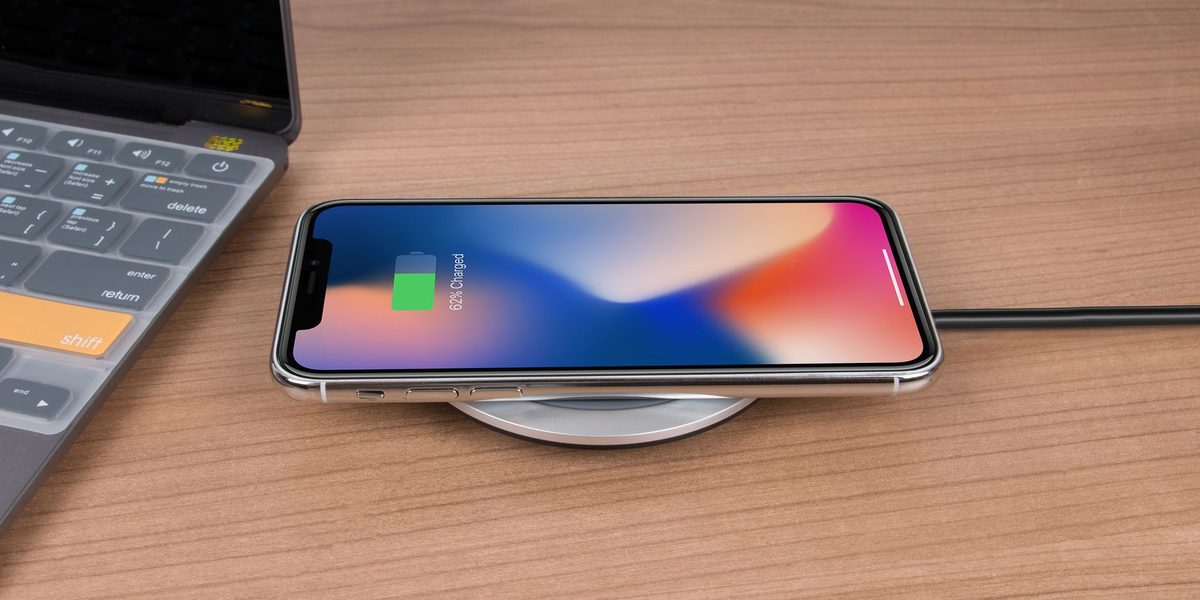
Strip away the magic and wireless charging is short-range energy transfer between two coils: one in the pad, one in your phone. Set the phone down so the coils align, and power flows across the small gap; lift it, and charging stops. There is no beam across the room, no charging in your pocket, and the pad itself is very much plugged into the wall. The universal standard means pads and phones from different makers generally cooperate, and magnet-aligned variants on many modern phones snap the coils into perfect position, solving the technology's oldest annoyance.
Understanding the mechanism explains every trade-off that follows: coupling coils through a phone's back is inherently less efficient than a copper cable, which is why wireless charging runs slower, generates more heat, and wastes more energy than wired charging. The question was never whether the cable is better at moving electrons. It is whether the habit change is worth the physics tax.
The Real Product Is a Habit, Not a Speed
Here is the honest pitch that the packaging never quite articulates: wireless charging converts charging from a task into a side effect. With a cable, charging is a small deliberate act: find the cable, aim the plug, commit. With a pad in the right location, charging is what happens automatically because you put your phone where you always put it. The phone that lives on a pad by the door, on the desk, or on the nightstand is simply always charged, not because you managed it but because you stopped needing to.
This is why owner satisfaction splits so cleanly. People who placed a pad where their phone already rests report that charging anxiety vanished from their lives. People who bought one pad and left it wherever produced no habit change, kept using cables, and concluded the technology is pointless. Both are correct about their own setups. The product is placement.
Where It Genuinely Shines
Three locations account for nearly all wireless charging happiness. The nightstand is first among them: no fumbling with a plug in the dark, no cable dragging your phone to the floor at 2 a.m., and stands hold the phone visible for morning alarms. The desk is second: a stand keeps the phone upright, topped up, and glanceable for notifications through the workday, and picking it up for a call never involves unplugging. The entryway table is third: the drop-the-phone-when-you-walk-in ritual becomes a charging ritual for households that adopt it.
Pads versus stands is mostly a location question. Flat pads suit nightstands for people who charge face-down or dislike glowing screens at night; stands suit desks and kitchens where seeing the screen helps; multi-device stations earn their space for people juggling a phone, earbuds, and a watch, replacing a nest of cables with one tidy perch. Earbuds with wireless-charging cases, incidentally, are a sneaky-great fit, since their small batteries make speed irrelevant, and a watch that charges on the same stand as the phone turns bedtime into a one-gesture routine for the whole pocket ecosystem.
The Honest Downsides
The costs of the convenience deserve plain statement:
- Speed: wireless charging is meaningfully slower than modern fast wired charging. Refilling a nearly dead phone in a hurry is a cable's job, full stop.
- Heat: the process warms the phone, and heat is the enemy of long-term battery health; cheap, poorly designed pads are the worst offenders. Quality pads manage it acceptably, but the physics is real.
- Alignment fussiness: on non-magnetic pads, a phone set down slightly off-center can charge slowly or not at all, giving you a dead phone and a lesson at 7 a.m. Magnetic alignment largely fixes this and is worth prioritizing.
- Efficiency: more electricity is wasted as heat than with a cable; trivial per night, but a genuine inefficiency multiplied across millions of phones.
- Case roulette: thin cases are fine, thick and metal ones interfere, and wallets with cards must stay off pads entirely for the cards' sake.
- It does not travel: a pad is a stationary appliance; the cable in your bag remains the road warrior.
None of these are secrets, but together they define the technology's honest role: a stationary convenience layer on top of cables, not a replacement for them.
Who Should Buy In, and Who Should Not Bother
Wireless charging earns its money for people whose phones have predictable resting spots: the desk worker, the routine-driven sleeper, the household that wants one tidy multi-device perch instead of a cable hydra. It suits people who chronically forget to plug in, since it converts memory into geography, and anyone whose charging ports have worn out from years of plug cycles, since it removes that wear entirely.
Skip it, at least for now, if you are a topping-up sprinter who charges in short urgent bursts, a person whose phone rests nowhere in particular, someone whose phone or case does not support it gracefully, or a buyer looking at one bargain-bin pad, which is the configuration most likely to disappoint on speed, alignment, and heat all at once. Cables remain excellent, and there is no shame in a technology-free nightstand.
Buying It Right If You Buy It
The category rewards small amounts of care. Choose magnetic alignment if your phone supports it; it removes the technology's biggest daily failure mode. Match the pad's speed rating to what your phone can actually accept rather than paying for headroom you cannot use, and remember that the wall adapter matters: an underpowered plug quietly throttles the fanciest pad, and many pads ship without one. Favor reputable makers with proper safety certification, because this is a device that manages heat against your phone's battery all night, and consider a stand with a nightlight-free, click-free design for bedrooms. One good pad in the right place beats three mediocre ones scattered around the house, though most converts do end up adding a second spot within the year. If your household runs on more than one phone platform, favor pads built to the universal standard over brand-specific docks, so the nightstand keeps working no matter whose phone lands on it or what anyone upgrades to next.
Final Thoughts
Is wireless charging worth it? As a speed upgrade, no, and it never was; the cable wins every race. As a habit upgrade, for people whose phones have a home base, genuinely yes: place a well-made, preferably magnetic pad on the nightstand or desk where your phone already lives, and charging quietly exits your list of daily concerns. Keep a fast cable for emergencies and travel, skip the bargain-bin pads that give the technology its bad name, and judge the purchase by the anxiety it deletes rather than the minutes it saves. On those terms, it is one of the cheapest quality-of-life upgrades in tech, and one of the easiest to get right on the first try.