Wine regions have an intimidation problem. The tastings sound like exams, the tour language assumes vocabulary you do not have, and every guide seems written for people who already own a cellar. Yet the actual experience — rolling scenery, long lunches, generous pours, villages built on hospitality — is one of the most purely enjoyable formats in travel, and you need zero expertise to love it. This ranking judges six famous wine regions specifically for the casual traveler: how welcoming they are to non-experts, how spectacular the setting is, how much there is to do beyond swirling, and — crucially — how survivable they are without a designated driver. Snobbery scores negative points here. Cons are included for every pick, because even paradise has opening hours.
What Casual Travelers Actually Need From a Wine Region
Four things, none of them a refined palate. Approachability: walk-in tastings, friendly explanations, and a culture that treats questions as charming rather than disqualifying. Scenery: the landscape does half the work in wine travel; a beautiful region forgives an ordinary bottle. Non-wine activities: the best regions entertain the sober driver, the teetotal partner, and the second afternoon. Logistics without a car: tastings and driving are a famously bad pairing, so regions with trains, boats, bikes, or walkable villages rank higher than those that quietly assume you brought a chauffeur.
6. Bordeaux — Great Wine, Guarded Welcome
Bordeaux is the most famous wine name on earth, and the city itself is a joy — grand, walkable, and equipped with a superb interactive wine museum that is genuinely built for beginners. The countryside is where casual travelers stumble: many celebrated estates prefer appointments, tasting culture leans formal, and the landscape — flat gravel plains under stately châteaux — is more impressive than beautiful. Without a car or paid tour, the famous villages are awkward to reach, and the whole experience can feel like visiting a bank that also makes wine. The village of Saint-Émilion is the glorious exception: medieval, walkable, and welcoming. Verdict: best done as a city break with one organized day trip — as an immersive wander, other regions are friendlier.
5. Mendoza — High-Altitude Drama for the Adventurous Casual
Mendoza's setting is the most dramatic in the wine world: vineyards flat as a table with the snowcapped Andes erupting behind them. The malbec-led tasting culture is warm and unpretentious, lunches at wineries stretch for hours, and the region doubles as an adventure hub — rafting, horseback rides, and mountain scenery for the non-drinker. Bikes serve the closest vineyard zone well. The cons: getting there is a long-haul commitment for most travelers; the wineries sprawl across dispersed zones that reward drivers and punish improvisers; and outside the wine and mountain economy, the city itself is pleasant rather than compelling. For travelers already drawn to South America, it is a spectacular add-on. As a dedicated pilgrimage for a casual sipper, the distance outweighs the pour.
4. Stellenbosch and the Cape Winelands — The Value Champion
South Africa's winelands may be the best-looking value in wine travel: Cape Dutch farmhouses under craggy mountains, tasting fees that feel like rounding errors, food-and-wine pairings — chocolate, cheese, even biltong — designed openly for fun rather than reverence, and a university-town energy in Stellenbosch itself that keeps the region from feeling museum-like. Non-wine activities abound with Cape Town under an hour away. The cons: you will want a car or a driver, as the estates scatter across valleys with limited public transport (though hop-on tasting buses patch the gap); and the region's distance from Europe and the Americas makes it, like Mendoza, an add-on more than a destination. Judged purely on welcome-per-dollar, though, nothing on this list touches it.
3. Rioja — Spain's Relaxed Master Class
Rioja pairs serious wine with a conspicuously unserious atmosphere. The region's hub towns — Logroño chief among them — run on tapas-crawl culture, where great wine arrives by the glass alongside grilled mushrooms and croquettes, and nobody has ever asked a visitor to describe the tannins. Bodega tours range from ancient cellars to startlingly avant-garde architecture, walk-in options are plentiful, and the compact geography keeps distances short. Trains and buses reach the main towns, and the tapas-street format means a car-free trip is genuinely viable with a taxi or two for countryside visits. The cons: the landscape, while handsome, is a step below the postcard champions on this list; midweek visits can find villages sleepy; and English thins quickly at family bodegas — part of the charm, but worth knowing. As an easy, affordable, zero-pretension introduction to wine travel, Rioja is arguably the smartest first pick.
2. Tuscany — The Complete Vacation That Happens to Have Wine
Tuscany ranks near the top because the wine is only the third-best thing about it. The chianti hills between Florence and Siena are the most romanticized landscape in travel — cypress lanes, hilltop villages, golden light — and the region layers art cities, food culture, and thermal springs on top of its tastings. Agriturismo farm stays let you sleep at the source, and tasting culture at family estates is warm, food-first, and beginner-proof. The cons are the price of fame: the famous zones crowd heavily in peak season, quality and prices at the most tour-bus-visited estates drift cynical, and the hill country genuinely requires a car — trains serve the cities, not the vineyards, and the roads demand a sober volunteer. Book a farm stay, taste where you sleep, and Tuscany delivers the fullest all-around vacation in wine.
1. The Douro Valley — The Most Beautiful Easy Wine Trip on Earth
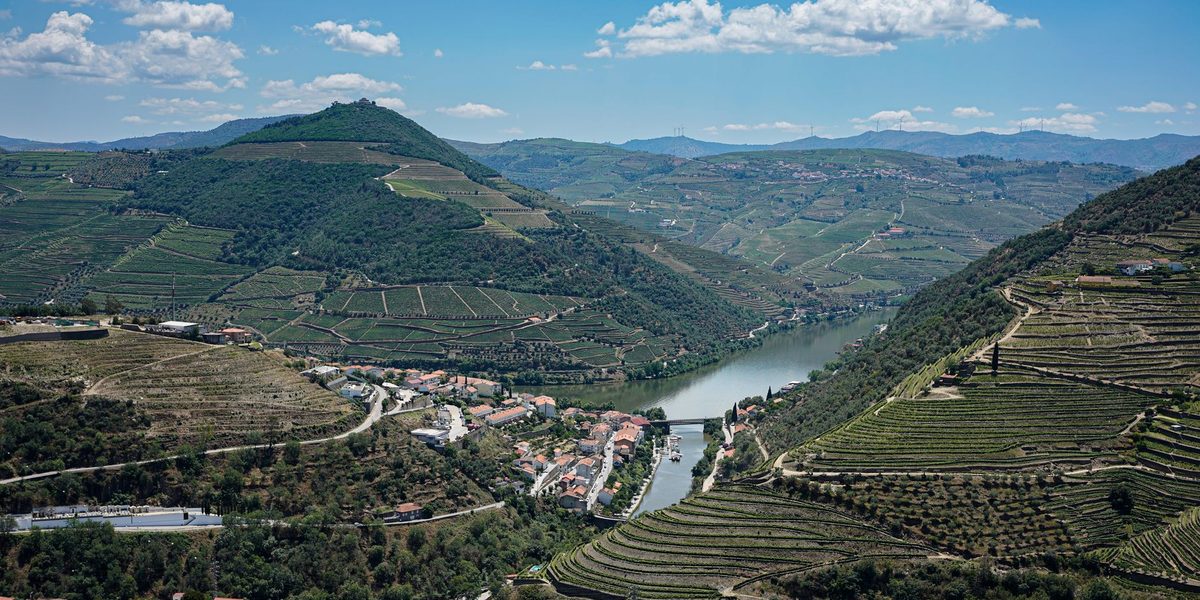
Portugal's Douro Valley wins on the strength of an unbeatable combination: staggering scenery, genuine warmth, and the list's best car-free logistics. The terraced vineyards climb from the river in green-and-gold staircases — a landscape so dramatic it feels engineered for the window seat — and the historic river-hugging train line delivers you from Porto into the heart of it without a rental car ever entering the conversation. Boats, quinta estates with walk-in tastings, and port lodges that explain everything from zero make expertise irrelevant. Value undercuts every famous rival. The cons: summer heat in the valley is fierce; the region is quiet by night, thrilling mostly by day; and the best quintas away from the river still reward a taxi arrangement. Pair it with Porto's food-and-tile charisma at the river's mouth and you have the best casual wine trip in the world.
Match the Region to Your Trip
- First wine trip ever: Rioja or the Douro — zero pretension, easy logistics.
- No car, no problem: the Douro by train, Rioja by tapas crawl.
- Most complete vacation: Tuscany, if someone volunteers to drive.
- Best value: Stellenbosch by a comfortable margin.
- Biggest scenery: Mendoza's Andes, then the Douro's terraces.
- City break with wine on the side: Bordeaux.
Final Thoughts
The casual traveler's secret is that wine regions are not really about wine — they are about landscape, lunch, and permission to slow down, with a glass as the organizing excuse. That is why the Douro and Tuscany top this list while more prestigious names trail: prestige is the least drinkable thing a region can offer. Book the shoulder season for kinder weather and warmer welcomes, sort the driving question before anything else, and never apologize for what you do not know — the best winemakers would rather pour for the curious than the fluent. Go for the views and the long lunches; the taste for everything else arrives quietly on its own, usually somewhere around the second afternoon.