Smartwatch marketing is a parade of superlatives: dozens of sport modes, an app store on your wrist, calls from your arm like a spy movie. Then you talk to actual owners and discover most of them use their watch for exactly four things: telling time, glancing at notifications, tracking steps and workouts, and setting timers. That gap between the advertised experience and the lived one is where buying mistakes happen. The trick to choosing well is ruthlessly separating the features that survive contact with daily life from the ones that demo brilliantly in a store and die quietly by week two. Here is the honest breakdown.
Battery Life Shapes Everything
No spec influences long-term satisfaction more than battery life, because it determines whether the watch works with your routine or dictates it. Watches split into two broad families: feature-rich models with vivid screens that need charging roughly daily, and simpler or fitness-focused models that run for a week or more. Neither is wrong, but they suit different people. Daily charging is fine if it slots into an existing habit, like a shower or a desk session. It fails badly for people who want sleep tracking, since the watch needs to be on your wrist at night and on the charger at some other consistent time.
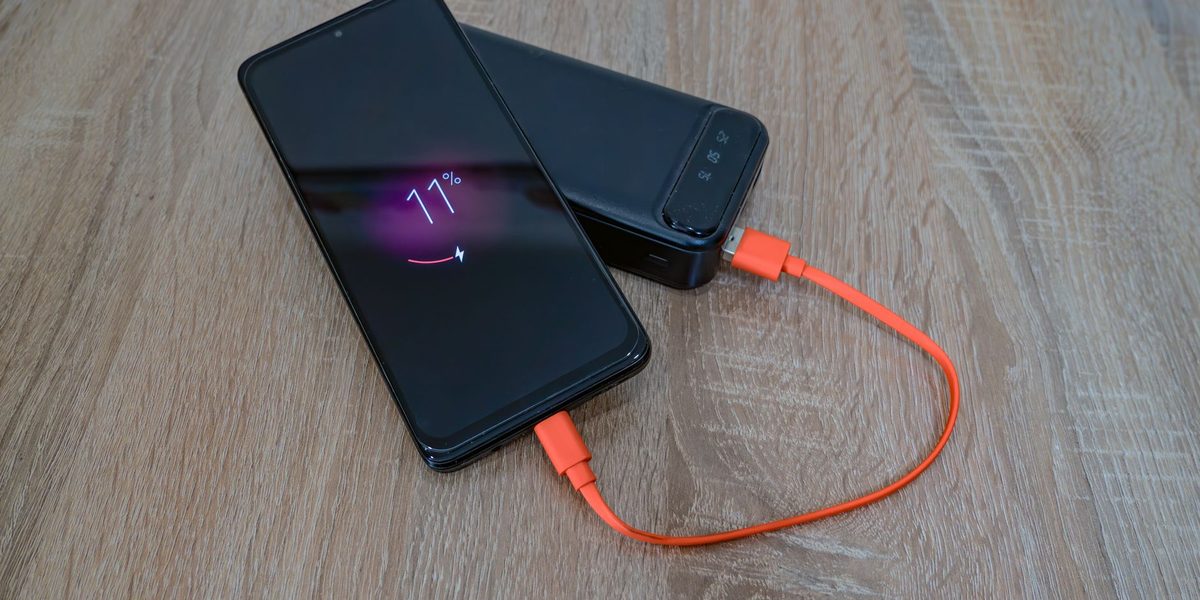
Before buying, decide when the watch will charge, specifically. If you cannot name the daily fifteen-minute window it will sit on the charger, buy a long-battery model. A dead smartwatch is not a minimalist watch; it is a bracelet, and abandoned smartwatches are almost always abandoned over charging fatigue rather than any missing feature. Charging speed softens the problem but does not erase it: a watch that refills meaningfully during a shower-length top-up is far more forgiving of an imperfect routine, so treat fast charging as a genuinely valuable spec rather than a footnote.
Notifications: The Real Killer Feature
The single most-used smartwatch capability is the humble notification glance. Seeing who is calling or texting without excavating your phone sounds trivial, but it changes behavior: you check your phone less, ignore junk faster, and stay present in conversations and meetings. What separates good from bad here is control and reliability. You want per-app notification filtering, so your wrist buzzes for messages from actual humans and not for every game and shopping app, and you want a connection that does not silently drop.
Check how well the watch plays with your specific phone platform before anything else, because reply options, call handling, and app support vary dramatically depending on the pairing. A watch that is brilliant with one phone ecosystem can be crippled with another, and no amount of hardware quality compensates for a hobbled connection.
Health Tracking: Useful Basics, Oversold Extras
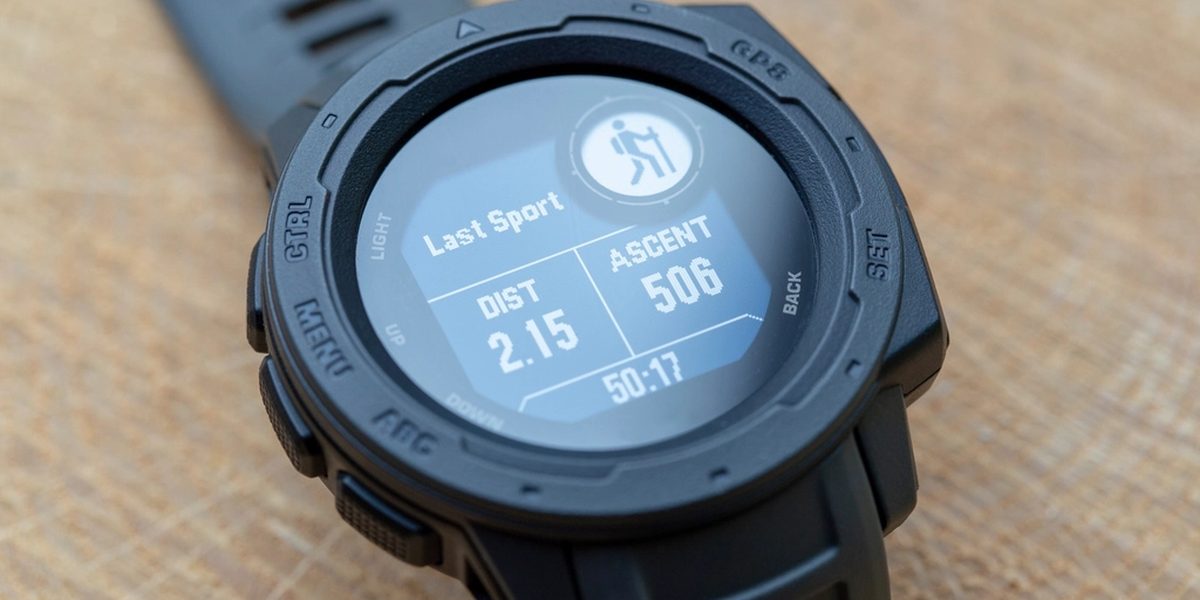
The genuinely useful health features are the boring ones. Step counting, continuous heart rate, workout detection, and sleep duration tracking are mature, reasonably consistent, and motivating in a way that actually changes habits for many people. Trend data is where the value lives: noticing your resting heart rate creeping up during a stressful month, or seeing that you sleep noticeably better on days you walk, is real, actionable insight.
The advanced metrics deserve more skepticism. Blood oxygen readings, stress scores, recovery indexes, and similar figures are estimates from wrist sensors, and they should be treated as directional hints rather than measurements. They are interesting, occasionally motivating, and not a substitute for actual medical assessment. If a reading ever worries you, that is a conversation for a doctor, not a settings menu. Buy the watch for the basics done well; treat everything else as entertainment with occasional value.
Durability and Comfort: The Unsexy Deciders
A smartwatch lives on your wrist through dishes, doorframes, workouts, and weather, and its physical resilience matters more than any software feature. Look for genuine water resistance suitable for swimming and showers, a screen material that shrugs off keys and countertops, and a case that does not look destroyed after a year. Just as important is comfort: weight, thickness, and strap quality decide whether you actually wear the thing all day and all night. A watch that is slightly too heavy gets left on the dresser, and an unworn tracker tracks nothing.
Straps deserve a special mention. A standard, easily swappable strap size lets you replace worn bands cheaply and dress the watch up or down. Proprietary strap systems lock you into one vendor's accessories, which is a small annoyance at purchase and a bigger one two years in. If you plan to swim or sweat in the watch, a quick-dry sport band beats leather or fabric, and owning two straps costs little while doubling the watch's wardrobe.
The Features Most People Abandon
Every one of these features demos beautifully and appears in nearly every advertisement. Based on how owners actually behave, they are also the first things to fall out of use:
- Wrist calls: fun twice, then awkward. Nearly everyone reaches for the phone or earbuds for any call that matters.
- On-watch app stores: browsing, installing, and using third-party apps on a tiny screen is a novelty that rarely survives the first month.
- Music storage on the watch: useful for the small group who run phone-free; ignored by everyone else because syncing is fiddly.
- Voice assistants on the wrist: beyond setting timers, most people feel silly talking to their arm in public.
- Dozens of exotic sport modes: owners use three or four modes forever; the other fifty exist for the box copy.
- Contactless payments: genuinely handy for a minority, unused by most because the phone is always right there.
None of these are bad features, and one of them might be your personal exception. The mistake is paying a premium for the full bundle when your realistic usage is notifications, fitness basics, and timers.
Matching the Watch to the Person
The market really contains three products wearing one name. Full smartwatches offer rich screens, deep phone integration, and apps, at the cost of daily charging; they suit people who love the idea of a wrist computer and will engage with it. Fitness-first watches prioritize battery, sensors, and sport tracking with lighter smart features; they suit runners, gym-goers, and anyone who values weeklong battery over app support. Simple bands cover steps, sleep, and basic notifications at low cost, and are the honest choice for anyone who mostly wants gentle activity accountability.
Buy the category that matches your actual motivation. Upgrading later is easy; being oversold at the start is what fills drawers with abandoned gadgets.
Budget advice follows the same logic. The midrange of each category is where value peaks: you get the mature sensors, decent screens, and reliable software without paying for the experimental features that headline flagship launches. Last-generation flagship models are the quiet bargain of the category, since watch hardware evolves slowly and a year-old premium model typically outclasses a brand-new midranger at a similar price. Whatever you choose, check the expected software support window, because a watch that stops receiving updates ages faster than its hardware deserves.
Final Thoughts
A great smartwatch purchase comes down to four questions. Does the battery model fit a charging window you can actually name? Does it pair deeply with your specific phone? Does it do steps, heart rate, sleep, and notifications reliably? Will it survive your life and stay comfortable enough to wear? Get yes to those four and you will love the watch, whatever it costs. Chase the cinematic features instead, and you will join the crowd whose expensive watch taught them one lasting lesson: the basics, done well, were the product all along.