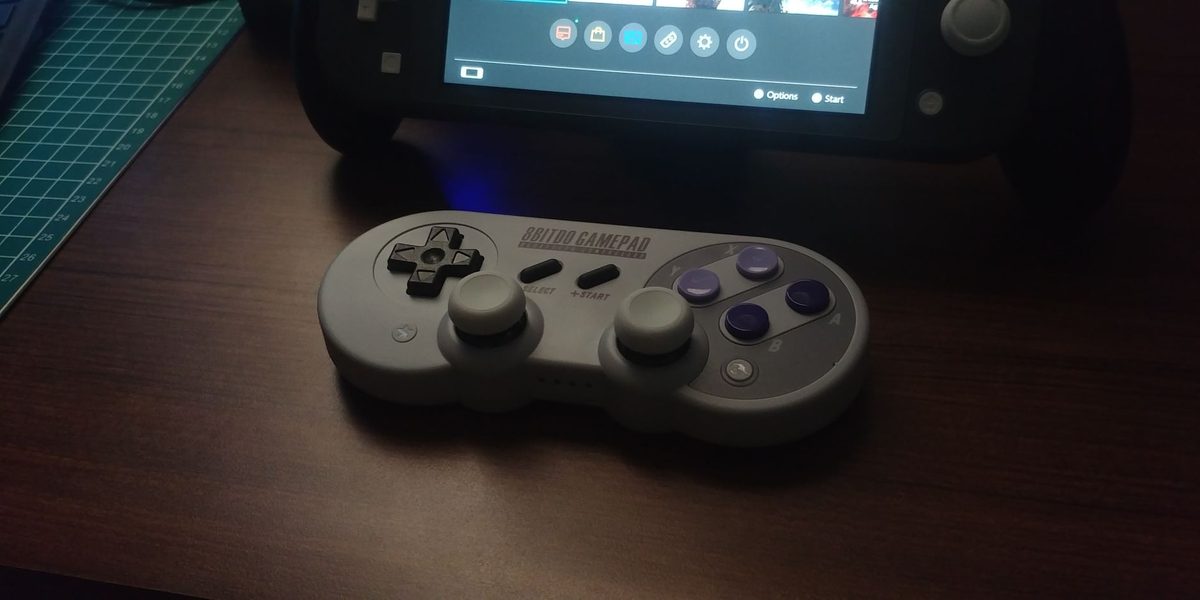
Retro gaming has a recruitment problem of its own making. Newcomers hear the enthusiasm, pick up whatever old classic someone swears changed their life, bounce off it in twenty minutes, and conclude the whole hobby is nostalgia they were not invited to. The truth is friendlier and more interesting: retro gaming is not one thing. It spans several distinct eras with wildly different personalities, difficulty philosophies, and time demands, and the era that fits your friend may be completely wrong for you. Choose the era first, the games second, and the way you play third. Get those three decisions right and the old stuff stops feeling like homework and starts feeling like a library of things you somehow never got to read.
Why Era Matters More Than Any Single Game
Each generation of games was shaped by its constraints, and those constraints created house styles as distinct as film eras. Early games had tiny storage and no way to save your progress, so they were built around short, repeatable, brutally demanding loops. Later generations gained saves, bigger worlds, and gentler curves. Play habits changed too: earlier games assumed you would master one cartridge for months, while later ones assumed you would finish and move on. When a newcomer bounces off a retro game, nine times out of ten they have not rejected retro gaming — they have collided with one era's philosophy while expecting another's.
So instead of asking which old games are best, ask which era's whole deal matches your temperament. That single reframe prevents most beginner disappointment.
The 8-Bit Era: Purity and Punishment
The earliest era most people explore is the age of chunky pixels and bleeping soundtracks. Its games are the most honest in the hobby: mechanics you can grasp in ten seconds, mastery curves that take weeks, and difficulty that makes no apologies. There are no tutorials, few saves, and death frequently means starting over. That sounds hostile, and sometimes it is — but it also produces a kind of focus modern games rarely ask for. Sessions are short, stakes are high, and every small improvement is genuinely yours.
This era fits players who enjoy arcade-style challenge, score-chasing, and the satisfaction of visible skill growth. It fits poorly with anyone who wants narrative, atmosphere, or a relaxing wind-down. The fair verdict: the peak games of this period remain thrilling, the average ones have aged hard, and a curated list matters more here than in any later era.
The 16-Bit Era: The Sweet Spot for Most Beginners
If you are unsure where to start, start here. The following generation kept the immediacy of early games but sanded off the cruelest edges. Colors got richer, music became genuinely memorable, saves and passwords appeared, and designers learned to teach through level design rather than instruction manuals. The era's best role-playing adventures, platformers, and action games are still routinely playable today with almost no adjustment period — which is why this generation dominates every honest recommendation list.
The personality of this era is confidence: games that know exactly what they are, delivered in tight two-to-twenty-hour packages. It suits players who want classic feel without masochism, and it is the single safest on-ramp for a curious modern gamer.
The Early 3D Era: The Boldest and the Bumpiest
Then comes the awkward, fascinating adolescence: the first generation of three-dimensional worlds. This era gets the most divided verdict, and both sides are right. It was the most experimental period in gaming history — designers inventing camera systems, control schemes, and whole genres in real time — and some of the medium's most beloved landmarks live here. It is also the era that aged worst on a purely mechanical level. Cameras fight you, frame rates chug, and controls that felt revolutionary can feel like steering a shopping cart today.
Approach this era like early talkies in film: with context and a little patience. If you can look past the jank, you will find astonishing ambition and worlds with genuine mystery in them. If jank breaks the spell for you entirely, skip ahead a generation and lose no sleep over it.
The Late Classic Era: Retro on Modern Terms
The most recent generations that now count as retro are the gentlest landing of all. These games have recognizable controls, sensible cameras, save systems, and production values that hold up. What makes them worth visiting is not novelty but depth of catalog: entire acclaimed genres — tactical strategy, survival horror, rhythm games, sprawling role-playing epics — hit their peak here, and the back catalog dwarfs what any player could finish. For someone who mainly wants great games rather than a history lesson, this era is simply a giant discount library.
The only caution is that it can feel too familiar to scratch the retro itch. If part of your motivation is time travel — experiencing how different games used to feel — this era may be too comfortable to deliver it.
Original Hardware or Modern Convenience
Once you have an era, decide how you will actually play, because the options sit on a spectrum of authenticity versus convenience.
- Original hardware delivers the true feel — the controllers, the quirks, the ritual — at the cost of money, shelf space, aging components, and fiddly compatibility with modern displays.
- Official re-releases and compilations are the sane default: curated classics on current devices, often with save-anywhere features and display options that soften old frustrations.
- Modern remasters update visuals and controls while keeping the design; purists grumble, but they are ideal when a beloved classic's rough edges would otherwise stop you.
- Dedicated retro handhelds and plug-and-play devices split the difference, offering the couch-and-controller ritual without the closet full of cables.
The opinionated take: beginners should choose convenience without shame. Authenticity is a second-visit pleasure. The point of your first retro year is to fall in love with the games, and anything that lowers the friction of that serves the hobby better than gatekeeping does.
Recalibrate Your Difficulty Expectations
Whatever era you choose, adjust one dial before you start: your relationship with failure. Older games assume repetition. You will die on level three, and the game intends for you to die on level three, and the fun is in the fourth attempt going better than the third. Modern conveniences — save states, rewind features — let you soften this, and using them is not cheating; it is choosing your own difficulty philosophy. Some players discover the old loop is exactly the flow state they were missing. Others lean on the rewind and enjoy the games as guided tours. Both are legitimate ways to visit the past.
Give any era three or four of its acknowledged classics before you judge it, and give any single game at least two sessions. First sessions with old games are dominated by adjustment; second sessions tell the truth. And if a celebrated classic still leaves you cold after a fair shot, let it go — every era has a dozen more where that one came from, and taste is allowed to disagree with history.
Final Thoughts
Retro gaming rewards the same honesty every entertainment choice does: know yourself, then pick accordingly. Choose the punishing purity of the earliest era if mastery thrills you, the polished sweet spot of the 16-bit years if you want timeless play, the wild 3D adolescence if ambition excites you more than polish, or the recent classics if you simply want a deep shelf of great games. Play them in whatever form keeps you playing. The past is not one place — it is several, and at least one of them was built for someone exactly like you.