Few beauty debates are as quietly heated as the one between gel manicure loyalists and regular polish devotees. One side swears by two weeks of glassy, chip-free shine; the other side treasures the freedom to change colors on a whim and skip the salon entirely. Both sides are right about the things they love — and conveniently quiet about the trade-offs. So let's settle it properly: what each approach actually delivers, what it costs you in time, money, and nail health, and which one genuinely deserves your loyalty.
What Each Manicure Actually Is
A regular manicure uses traditional lacquer: a base coat, color, and top coat that dry by evaporation. It's simple chemistry, which is both its charm and its weakness. Nothing cures or hardens beyond air drying, so the polish stays relatively soft and flexible — easy to apply, easy to remove, and easy to chip.
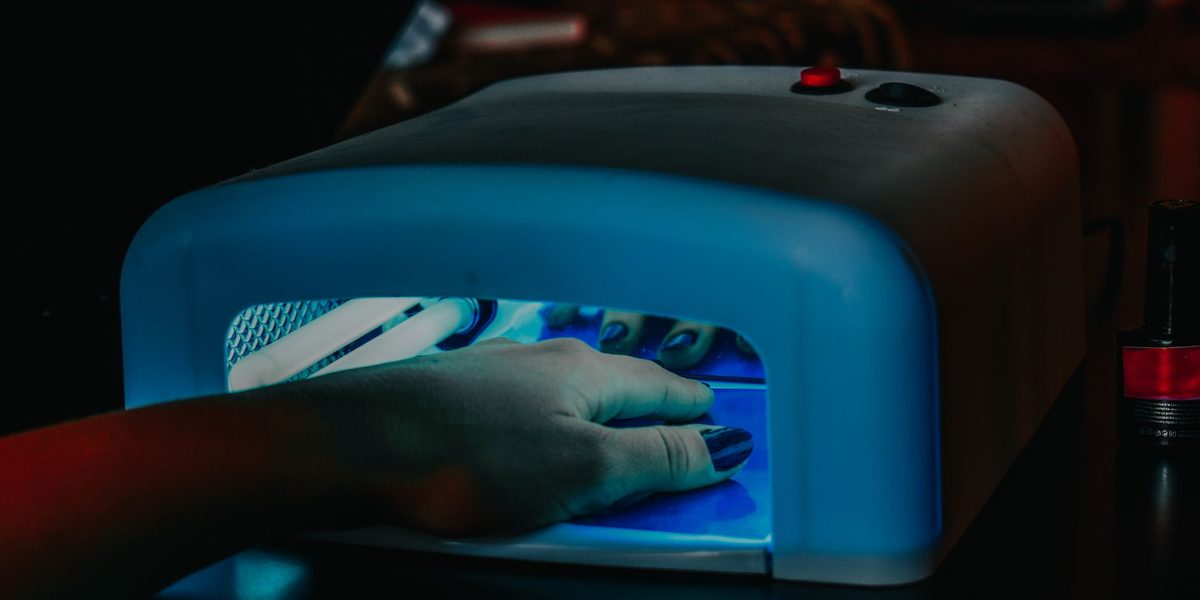
A gel manicure uses a resin-based polish that cures under a UV or LED lamp. The curing process creates a hard, durable shell bonded to the nail plate. That's why gel survives dishwashing, typing, and gardening in a way lacquer never will. It's also why removal is a whole separate conversation, because a coating designed not to budge doesn't politely step aside when you're done with it.
Wear Time: Gel Wins, and It Isn't Close
If the only measure were how long a manicure looks freshly done, this article would be one paragraph. A well-applied gel manicure routinely lasts two to three weeks with the same shine it had on day one. Regular polish, even with careful base and top coats, typically starts chipping within a few days on anyone who uses their hands for, well, anything.
The honest caveat is that gel's longevity works against you if you don't love the result. A slightly-off color or a bubble near the cuticle is a two-week commitment. Regular polish forgives mistakes because nothing about it is permanent — smudge it tonight, redo it tomorrow.
The Cost-Per-Wear Question
Gel appointments cost more than a bottle of polish, but the math is less lopsided than it looks. Judge each option by cost per wearable day rather than sticker shock. A gel manicure that looks flawless for two weeks can work out cheaper per day than salon lacquer that chips by the weekend. On the other hand, a home regular-polish habit is nearly free per wear once you own a few bottles, and no gel salon can compete with that.
The hidden cost is time. Gel means scheduled appointments, including removal visits if you're doing it responsibly. Regular polish means frequent touch-ups but on your own couch, on your own schedule. Which cost bothers you more is a personality question as much as a budget one.
Nail Health: The Part Both Camps Exaggerate
Gel's critics love to describe post-gel nails as ruined; gel's fans insist the product is harmless. The fair reading sits in the middle. The gel itself isn't the usual villain — the damage mostly comes from removal done badly. Peeling or picking off gel takes layers of the natural nail with it, and aggressive filing during removal thins the plate. Done properly, with adequate soaking and patience, gel removal leaves nails largely intact, though many people notice their nails feel thinner or more flexible after months of back-to-back sets.
Regular polish is gentler, but not saintly. Frequent use of harsh removers dries out nails and cuticles, and dark pigments can stain the nail plate. The practical guidance is the same for both camps: give nails occasional breaks, moisturize cuticles, and treat removal as carefully as application. If your nails become persistently brittle, discolored, or painful, that's a conversation for a dermatologist, not a top coat.
Removal: The Deciding Factor Nobody Prices In
This is where many gel converts quietly return to lacquer. Regular polish comes off in two minutes with remover and a cotton pad. Gel demands a proper soak-off, ideally done by a professional, and rushing it is exactly how nails get damaged. If you know yourself — and you know that by day sixteen you'll be picking at a lifting edge during a meeting — the gel category may cost you more nail health than its shine is worth.
At-home gel kits split the difference but inherit the same removal problem, with less expertise on hand. They reward patient, detail-oriented people and punish everyone else.
The At-Home Gel Question
Home gel kits deserve their own honest paragraph, because they're pitched as the best of both worlds: salon durability at couch convenience. Sometimes they deliver. A careful user with steady hands, good lighting, and the discipline to cap free edges and cure each layer properly can get results that rival a salon set. The kits have matured, the lamps have gotten faster, and the learning resources are endless.
But the honest failure rate is high. Under-cured gel can lift within days; over-filed prep thins nails before the color even goes on; and improper application near the skin can cause irritation that builds with repeated exposure — a genuinely good reason to keep gel off your cuticles and to stop using any product that causes redness or itching. Removal at home is where most of the damage happens, because impatience is universal and soak-off times are not negotiable. The realistic verdict on home gel: it rewards the kind of person who already enjoys detailed, careful hobbies, and quietly punishes everyone who bought the kit hoping to skip both the salon and the effort. Know which person you are before the starter kit finds its way into your cart.
Who Each Manicure Actually Suits
Strip away the tribal loyalty and the fit becomes obvious:
- Gel suits you if you type, clean, or work with your hands all day, you value a consistently polished look, you can commit to proper removal, and you'd rather pay for durability than fuss with touch-ups.
- Regular polish suits you if you love changing colors often, you're building a home collection, your nails are already thin or peeling, or you simply refuse to schedule your beauty routine around appointments.
- Alternating suits you if you want gel's durability for travel and big events but prefer giving your nails low-commitment stretches in between — arguably the smartest pattern of all.
The Trend Factor
It's worth naming the elephant in the salon: gel became the default not because lacquer failed, but because social media rewards the glassy, sculpted gel look. That's fine — aesthetics are allowed to drive choices — but it means plenty of people are paying for durability they don't need. If your nails mostly appear in your own peripheral vision, a good top coat over regular polish delivers most of the look for a fraction of the commitment. Trends should serve your routine, not run it.
Meanwhile, the regular-polish world has quietly improved. Modern long-wear lacquers and better top coats have narrowed the durability gap from embarrassing to respectable. The gap still exists, but the old stereotype of polish chipping before you leave the salon is out of date.
Final Verdict
Gel wins on performance; regular polish wins on flexibility, gentleness, and cost. If forced to crown one, the verdict goes to regular polish for most people, most of the time — because the habits that make gel safe are habits most people don't keep, and a manicure that quietly thins your nails isn't a bargain at any price. But gel absolutely earns its reputation for the right user: the frequent typist, the traveler, the person who wants three polished weeks from a single appointment. Choose based on how you actually live with your hands, not on which camp shouts loudest, and either manicure can be genuinely worth it.