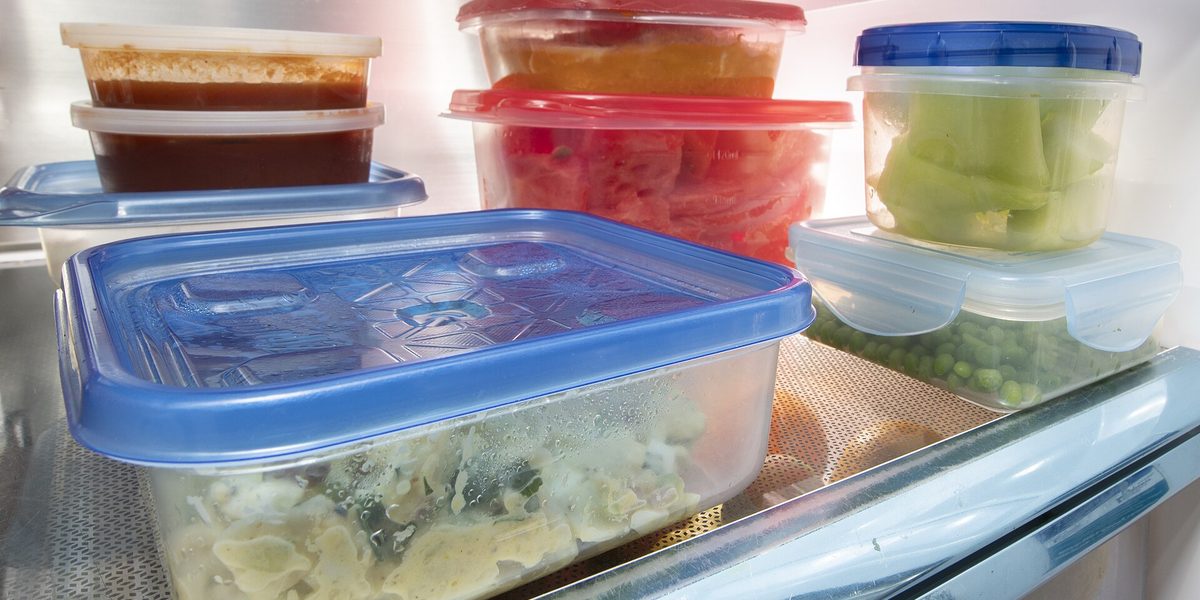
Few purchases seem simpler than food storage containers, and few generate more low-grade household misery. Lids that vanish, drawers that avalanche, tomato-stained plastic, mystery leftovers in opaque tubs — the container situation in most kitchens is a slow-motion failure that people blame on themselves instead of on bad buying. It isn't a discipline problem; it's an equipment problem. Here's what actually matters when buying food storage, the honest case for glass and for plastic, and the container purchases you can skip entirely.
Glass or Plastic: The Real Trade-Offs
The glass-versus-plastic debate has a fair answer: both, for different jobs. Glass containers are heavier and cost more, but they don't stain, don't hold odors, don't warp, and go straight from refrigerator to oven or microwave without drama. Reheating in glass is simply nicer — food heats evenly and the container comes out looking new. Clear glass also solves the biggest storage problem nobody names: food you can't see is food you won't eat. Leftovers in glass get eaten; leftovers in cloudy plastic get discovered a month later.
Plastic wins on weight, durability in a lunch bag, and price. It's the right call for anything that travels — commutes, picnics, kids' lunches — and for freezer bulk storage where glass gets heavy and clinky. Its weaknesses are cosmetic and real: tomato sauce stains it, chili perfumes it forever, and dishwasher heat slowly warps the cheap stuff until lids stop sealing. A sensible kitchen runs glass at home and plastic on the road, and stops trying to make one material do everything.
The Lid Is the Whole Product
Containers don't fail; lids fail. Whatever material you choose, the lid design determines your daily experience. Locking-flap lids with a silicone gasket give the most reliable leak-proof seal — the right choice for soups, dressings, and anything in a bag with your laptop. Their cost is fiddliness: four flaps to snap and gaskets that need occasional removal for cleaning. Simple press-on lids are faster for home refrigerator duty but should never be trusted at an angle. One-piece rigid lids with no gasket are the most durable and the least sealed.
Two lid rules save years of frustration. First, buy a system where one lid size fits multiple container sizes — this single feature cuts lid chaos in half. Second, before buying any set, imagine washing the lid: gaskets that don't come out and grooves you can't reach are where smells and grime live. If the lid looks annoying to clean in the store, it will be worse at home.
Shapes, Sizes, and the Stacking Question
Round containers waste refrigerator space — it's geometry, not opinion. Squares and rectangles pack shoulder to shoulder, and a fridge of rectangular containers holds noticeably more food in the same shelf space. Round still earns its place for liquids, since it pours better and cleans easier in the corners, but the backbone of a container drawer should be rectangular.
Size-wise, most households live in three volumes: a small size for sauces and snacks, a medium for single-serving leftovers and lunches, and a large for batch cooking and family leftovers. The exotic sizes in big sets — the thimble-sized cup, the vat — mostly ride along unused. Prioritize containers that nest when empty and stack stably when full, and check that the tall sizes actually clear your refrigerator shelf height, the most overlooked spec in the category.
Meal-preppers should also consider divided containers — but honestly. Compartments are wonderful if you genuinely pack varied lunches and dead weight if you don't, since the dividers make the container useless for anything bulky. Buy two or three to trial the habit before committing to a fleet. The same trial logic applies to the tall spaghetti keepers and cereal dispensers of the world: useful in the exact household that needs them, clutter in every other.
What's Worth Paying More For
A few upgrades genuinely earn their price:
- Oven-safe glass — turns a container into a baking dish and a leftovers plan into one vessel from oven to fridge to reheat.
- Removable, replaceable gaskets — the first part to fail; being able to clean and replace them doubles a container's life.
- True one-lid-fits-many systems — pay for this convergence; it's the difference between a drawer and a landslide.
- Heavyweight plastic for travel — thin bargain plastic warps in one dishwasher cycle and never seals again.
- Freezer-to-microwave tolerance — containers rated for both ends of the temperature range crack less and last longer.
Past these, price climbs without payoff. The luxury tier of food storage is mostly aesthetics — lovely bamboo lids that can't go in the dishwasher, steel tins you can't microwave. Pretty, and worse at the job.
The Container Gimmicks to Skip
This category has its own gadget problem. Shape-specific keepers — the plastic clamshell for half an onion, the dedicated banana pod, the taco tote — solve problems a flat lid or a small container already handles, then demand permanent cabinet residency. Vacuum-sealing container systems with pumps promise longer freshness and mostly deliver a pump you'll lose by spring; ordinary airtight containers get you most of the benefit with none of the ritual. Produce-saver containers with vents and trays help marginally at best, and matter far less than simply seeing the produce so you remember to eat it.
The biggest skip of all: the fifty-piece megaset. Giant sets are priced to feel like value and composed to clear warehouse space — a few useful sizes padded with dozens you'll never touch, all with their own lids multiplying in the drawer. Two dozen thoughtful pieces outperform fifty random ones in every kitchen, every time.
Managing the Drawer Itself
Even good containers need a system, and the system is blunt: store containers with their lids on, or store lids vertically in a rack or bin beside nested bases. Either works; the failure mode is the loose pile. Cull ruthlessly once a year — anything stained beyond dignity, warped, or widowed from its lid goes to recycling or the garage. And resist inheriting takeout tubs as permanent storage. They're fine as a temporary overflow fleet, but they warp fast, seal poorly, and multiply until they crowd out the containers you actually chose. A container drawer, like a wardrobe, works best slightly under capacity.
Pantry storage deserves the same discipline as the fridge. Clear, airtight canisters for flour, sugar, rice, and pasta genuinely earn their cost — they keep staples fresh, keep pests out, and make running low visible before it becomes a mid-recipe emergency. But decant selectively: transferring every packet in the pantry into matching jars is a photogenic hobby, not an organizational strategy, and it creates a labeling chore that most households abandon by the second month. Store the staples you buy in bulk in canisters, leave the rest in their packaging, and spend the saved effort on the yearly cull instead.
Final Thoughts
Good food storage is one of those quiet quality-of-life upgrades that costs little and pays daily — less wasted food, faster lunches, a refrigerator you can read at a glance. Buy a modest fleet of rectangular glass for home and rugged plastic for the road, insist on lids that interchange and clean easily, and walk past the gimmicks and the megasets. The best container setup is the one you stop noticing, because everything seals, stacks, and comes back out of the drawer with its lid already found. Solve it once, with a little intention and a modest budget, and the whole problem stays quietly solved for a decade or more.