Cleaning tools occupy a strange retail universe where the least glamorous products work the best and the most heavily advertised ones fail the fastest. The viral gadget that scrubs by itself, the wand that promises to end dusting forever, the miracle sponge for every surface — most of it ends up under the sink, dead, within a season. Meanwhile the boring stalwarts quietly clean the world's homes for pennies. Here's a fair and slightly opinionated tour of the cleaning-tool aisle: the handful of things worth owning in quantity, the specialty items that earn their keep, and the gimmick patterns to recognize before the checkout, not after.
Microfiber: The One Genuine Revolution
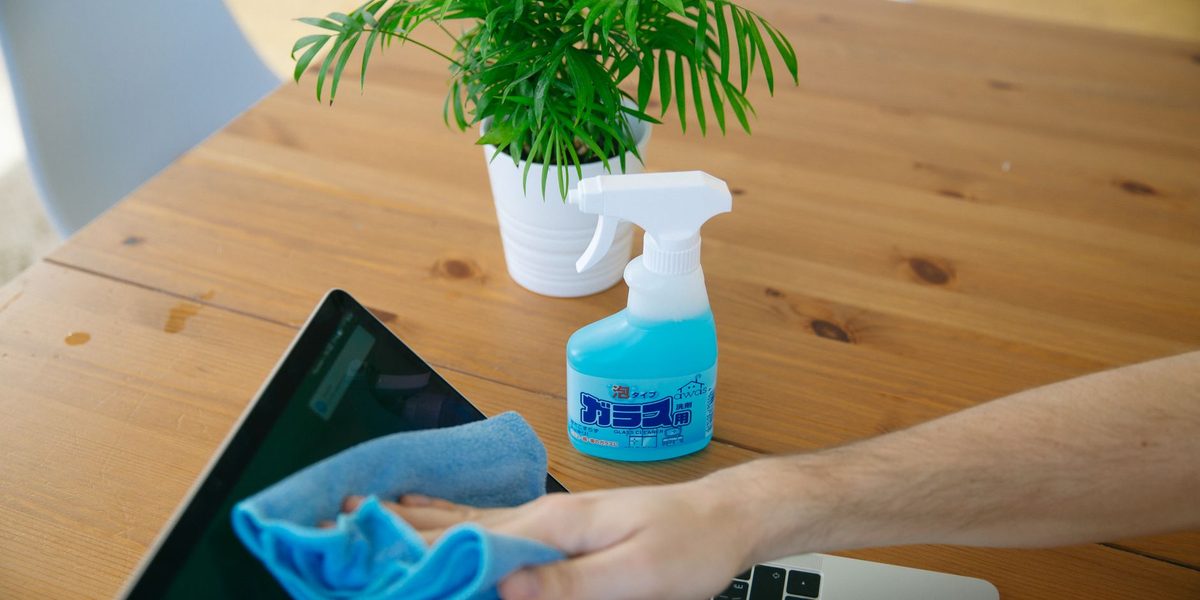
If the cleaning aisle has produced one honest breakthrough, it's the plain microfiber cloth. The dense split fibers grab dust, grease, and grime instead of redistributing them, they clean glass and stainless to a streak-free finish with nothing but water, and they wash and return to duty hundreds of times. A stack of twenty costs less than a single gadget and covers dusting, counters, mirrors, appliances, baseboards, and the car. There is no cleverer purchase in this entire category.
The buying notes are simple: buy plenty, so a dirty cloth never becomes an excuse; separate them by task or color so the bathroom cloths never meet the kitchen; wash them without fabric softener, which coats the fibers and ruins their grab; and retire the tired ones to garage duty. The main mistake people make with microfiber isn't the buying — it's owning three cloths and treating them as precious. They're a bulk staple, not a specialty item, and they should be treated with exactly as much ceremony as socks.
The Squeegee and Other Underrated Workhorses
A few unassuming tools outperform their price so consistently they deserve individual praise. The shower squeegee, used for thirty seconds after each shower, prevents the mineral spotting and soap film that otherwise demand aggressive scrubbing later — it converts a monthly chore into a non-event. A stiff-bristled scrub brush with a comfortable handle does what no sponge can, and a smaller version for grout and fixtures finishes what the big one starts. An old-fashioned rubber-bladed window squeegee remains the fastest streak-free way to do glass, exactly as every professional window cleaner demonstrates daily.
Add three more to the underrated list: a proper dustpan with a rubber lip that actually meets the floor, a telescoping duster with a washable head for fans and high corners, and a sturdy caddy that carries the whole kit room to room. The caddy sounds like organization theater but isn't — the tools that travel together get used together, and half of keeping a home clean is lowering the cost of starting.
Sponges, Scrapers, and the Sink Zone
The kitchen sink hosts its own small ecosystem of tools, and the honest rankings surprise people. The plain non-scratch scrub sponge remains excellent and cheap; its one real flaw is that people keep it months past its dignity — sponges are consumables, replaced often, and the habit of microwaving or bleaching a foul sponge mostly extends the foulness. Brushes with handles keep hands out of the mess and dry faster than sponges, which makes them the more hygienic daily driver; the dish brush is standard equipment in much of the world for good reason. A simple plastic pot scraper — a flat card with corners — removes baked-on mess that soaking and scrubbing negotiate with for hours, and it costs almost nothing. Steel wool and metal scourers still earn their place on cast iron and oven racks, used with judgment.
The melamine foam eraser blocks deserve their reputation with a caveat: they work by being an ultra-fine abrasive, which means they're brilliant on scuffed walls and dingy switch plates and quietly destructive on glossy, delicate, or coated surfaces. A miracle on the wall, a mistake on the car. Test any eraser block somewhere invisible first, and treat it as sandpaper that happens to look like a sponge — because functionally, that's what it is.
The Gimmick Hall of Fame
The failures in this category follow patterns so reliable you can spot the next viral disappointment before it ships:
- Motorized spinning scrubbers — underpowered motors that stall under actual pressure; your arm with a good brush outworks them, and their batteries die in storage.
- Disposable-head everything — dusters, wands, and toilet tools whose business model is the refill; the washable version costs less within months.
- As-seen-on-TV miracle cloths and pastes — either repackaged microfiber and mild abrasives at ten times the price, or products whose demo only works on the demo stain.
- Gadget mitts and slipper dusters — novelty shapes that clean worse than the cloth they replaced and can't be wrung out properly.
- Ultra-specific niche tools — blind-slat claws, keyboard goo, dedicated bottle brushes for one shape of bottle; a damp microfiber cloth over a butter knife does most of these jobs.
The unifying trait is that each gimmick replaces either a cheap consumable with an expensive one, or a technique with a promise. Before buying any cleaning gadget, ask what boring tool it's dressed-up as, and what the boring tool costs.
Where Spending More Genuinely Pays
Cheap works for cloths, sponges, and plastic scrapers — but a few items reward real money. Anything with a mechanism: spray bottles with quality triggers outlive the dollar-store kind five to one, and a sturdy telescoping pole beats a wobbly one forever. Anything you grip hard: brushes and squeegees with solid handles spare your hands and don't snap mid-scrub. And anything that touches your body's comfort: kneeling pads and well-fitting rubber gloves turn dreaded jobs into neutral ones, which means they actually happen. The rule generalizes — spend on the parts that move, grip, or cushion, and save on the parts that just wipe.
Vacuum-adjacent accessories follow the same split. A quality lint roller, a rubber-bristled pet-hair broom for carpets, and a proper crevice brush all earn their modest prices, while the universe of clip-on gadget attachments mostly clips off and disappears. If an accessory has a moving part, buy the sturdy one; if it's a shape with bristles, the plain version is usually the entire product.
Building the Kit and Keeping It Honest
A complete home cleaning kit is smaller than the aisle implies: a tall stack of microfiber cloths, two sizes of scrub brush, a dish brush and sponges in rotation, both squeegees, a duster on a pole, a good dustpan and broom, spray bottles for your diluted cleaners, gloves, and the caddy that carries what travels. Everything launders or rinses, nothing requires refills from a specific company, and the whole collection fits under one sink with room to spare. Audit it once a year with the same test you'd apply to any gear: what got used, what didn't, and what dead gadget is occupying the space where the spare microfiber should live.
Final Thoughts
Cleaning marketing sells the fantasy that dirt yields to novelty, when a century of housekeeping says dirt yields to fiber, bristle, friction, and habit. Stock the boring champions in generous quantity, pay up only where mechanisms and grip are involved, and let every viral gadget prove itself in someone else's home for a year first. A cleaning kit built this way costs less than one season of gimmicks — and unlike the gimmicks, it will all still be working next year, and the year after that, asking nothing of you but an occasional trip through the washing machine and a little honesty during the yearly under-sink audit.