Few household debates are as quietly tribal as the one in your shower. Bar soap people regard body wash as overpriced perfumed water in a plastic bottle; body wash people regard bar soap as a slimy relic that dries your skin and hoards bacteria in a dish. Both camps shower daily with total confidence in their choice, and the beauty industry is happy to keep the argument going, since it sells to both sides. But strip away the tribal loyalty and the marketing, and the bar-versus-bottle question has real answers — about skin feel, hygiene, moisture claims, waste, and value. Let's settle the shower war properly.
What Actually Differs Between Them
Chemically, the gap is narrower than either camp believes. Traditional bar soap is made by saponification — fats meeting an alkali — producing an effective cleanser that historically ran alkaline, which is where its drying reputation was earned. Body wash is a liquid blend of synthetic detergents, typically formulated closer to skin's naturally slightly acidic pH, with room in the formula for moisturizers and conditioners.
But the modern shelf scrambled those stereotypes. Today's "syndet" bars — synthetic detergent bars, including most bars labeled gentle or moisturizing — are pH-balanced and as mild as any bottle. Meanwhile plenty of body washes are aggressively foamy degreasers with a moisturizing back-label and little else. The format no longer predicts the gentleness; the formula does. That single fact dissolves about half of this debate's talking points on contact.
The Skin Feel Question
Skin type still tips the scales. Dry, sensitive, and eczema-prone skin generally does best with the mildest cleanser available — and the mildest options exist in both formats, though gentle syndet bars are a quiet champion here, beloved by dermatology precisely because they clean without stripping. Classic old-style alkaline bars remain the harshest common option and genuinely deserve their drying reputation on vulnerable skin.
Oily and resilient skin can use nearly anything happily, which is liberating: the choice becomes preference, not prescription. The one honest generalization left: that squeaky, tight, audible-clean feeling both camps sometimes chase is not a virtue — it's the sound of stripped skin, whichever format produced it. A good cleanse of either kind leaves skin soft, not squeaky, and anyone moisturizing frantically after every shower should suspect their cleanser before their lotion.
The Hygiene Myth, Retired
The body wash camp's favorite argument — the bar sitting in its dish harboring germs — deserves honest handling. Yes, a used bar carries microbes on its surface; so does essentially everything in a bathroom, including the loofah that body wash fans cheerfully rehydrate with every shower. The practical reality: washing with a bar transfers its surface microbes away with the lather and rinse, and this has never been shown to be a meaningful problem for healthy skin in a household context.
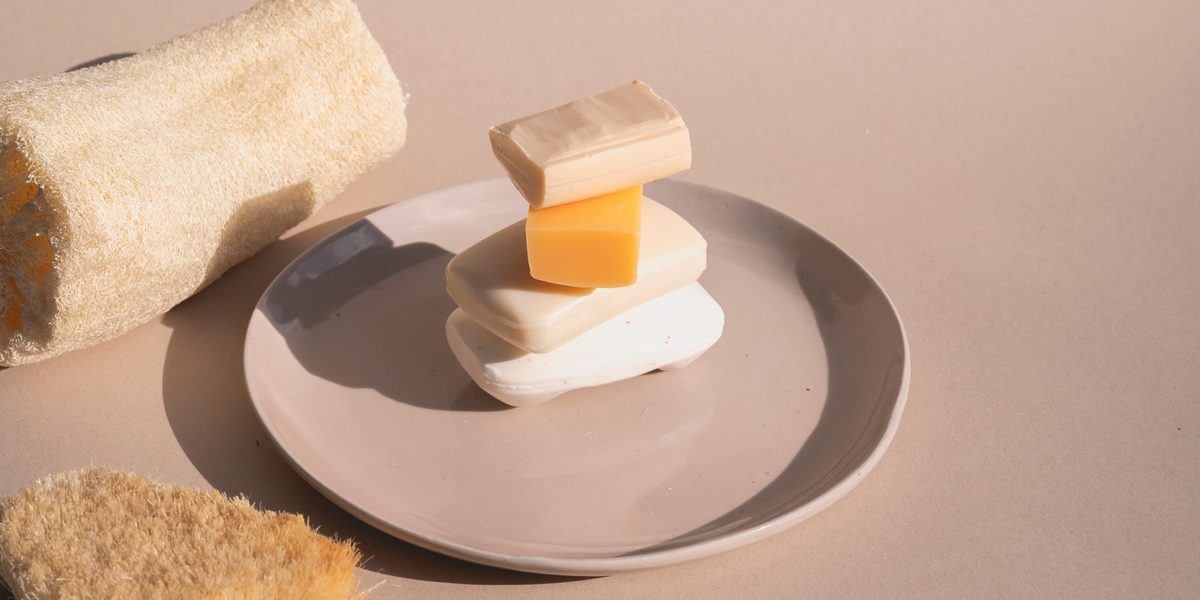
If anything, the accessories deserve the scrutiny the bar gets. A perpetually damp mesh pouf or sponge is a far more hospitable microbial home than a bar that dries between uses — and drying is the operative word. A bar on a draining soap dish that dries fully is a non-issue; a bar drowning in a puddle is both unhygienic-feeling and wasteful, dissolving into the slime that gave the format its bad name. Buy a decent soap dish and the hygiene argument essentially retires.
The Moisture Claims Audit
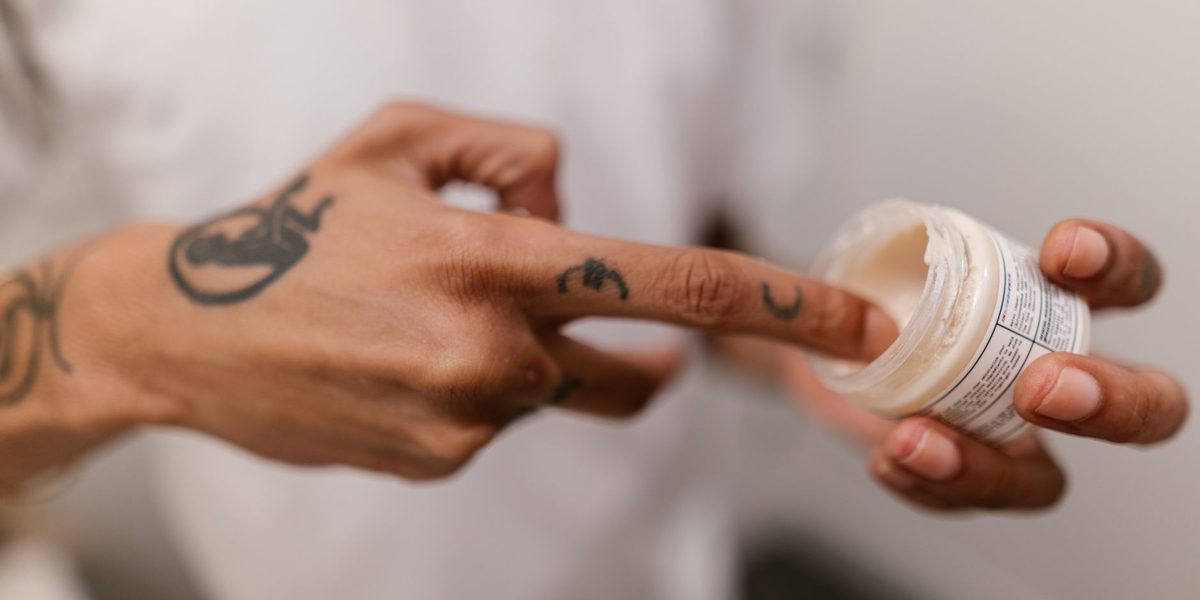
Both formats sell moisturization enthusiastically, so both deserve the same skeptical squint. Rinse-off products spend seconds on your skin; most of their moisturizing payload goes down the drain, whatever the label promises. Body washes with genuine emollient content do leave a light conditioning film — some people love the softness, others find it coats without truly helping — and moisturizing bars achieve a similar modest effect through superfatting, extra oils left unreacted in the bar.
The honest hierarchy: a mild cleanser of either format plus actual moisturizer on damp skin outperforms any "moisturizing" cleanser used alone. Choose the cleanser for gentleness, not for lotion-like promises, and let a product designed to stay on your skin do the staying-on work. Anyone whose skin still feels tight after switching to gentle options in either format is over-cleansing, over-heating the water, or dealing with something a dermatologist should see — not shopping in the wrong aisle.
Waste, Cost, and the Travel Test
Here the bar racks up unanswered points. On packaging, a paper-wrapped bar against a plastic bottle isn't a contest. On efficiency, bars are concentrated product with no water weight shipped around the world, and they can't be over-dispensed the way a generous squeeze of wash can — a bar's per-shower cost is among the lowest in personal care, and it's difficult to waste. Body wash's economics depend heavily on the user's squeeze discipline and the pouf's appetite.
Travel seals it: bars sail through liquid restrictions, never explode in a bag, and shrug at temperature. The bottle camp's counterpoints are real but modest — no soap dish required, easier sharing without the intimacy of a communal bar, and pump formats that suit accessibility needs where gripping a slippery bar is genuinely difficult. Fair points all; they narrow the gap without closing it.
The Face and the Fine Print
One boundary question deserves settling while we're here: should either product touch your face? The classic advice against bar soap on faces was written about old-style alkaline bars, and it remains sound for them — facial skin registers harshness faster than the body does. But gentle syndet bars and facial cleansing bars are a legitimate category of their own, and plenty of dermatology-friendly routines are built on one bar doing modest, honest work. Body wash on the face earns the same conditional ruling: the fragrant, foamy shower-theater formulas are too much for most faces, while the mildest unscented versions are effectively liquid gentle cleansers wearing body-sized packaging. The safest general rule stands — dedicated facial cleansers are formulated for the job — but the format panic in both directions is outdated.
The fine print that matters more than format: watch how skin behaves in the hour after showering. Comfortable and neutral means your cleanser is right, whatever shape it comes in. Tight, itchy, or ashy means something in the shower is overdrawn — the formula, the water temperature, the scrubbing enthusiasm, or the frequency — and the fix is usually gentler, cooler, and shorter rather than a new bottle. Skin that stays irritated despite sensible adjustments has graduated from the beauty aisle to a dermatologist's office, where the bar-versus-bottle debate has never once been the diagnosis.
The Experience Factor
Since showers are half hygiene and half ritual, the sensory column counts. Body wash owns lather theater — the rich, fragrant foam that makes a shower feel like an event — and pairs naturally with the tools people enjoy. Bars have staged their own comeback on this front, with artisanal and richly scented options making the format feel less like a utility and more like a small luxury; there's a tactile directness to a good bar that fans find genuinely superior to a squeeze of gel. Fragrance in both formats remains the most common irritant for reactive skin, and unscented options exist across the board for those who need the ritual without the redness. This category ends in an honest draw, decided entirely by temperament.
Final Verdict
The bar wins on points — economy, waste, travel, and the quiet excellence of modern gentle syndet bars — while the great arguments against it turn out to be either solved (pH, harshness) or mythological (the germ panic). Body wash keeps genuine wins in convenience, sharing, and shower theater, and nobody thriving with a bottle needs to convert. But the real verdict is the deflating one both camps resist: the format matters far less than the formula, and any shower war fought over bar-versus-bottle is aiming at the wrong variable. Buy the gentlest version of whichever format you'll enjoy using, keep it dry or squeeze it sparingly, moisturize after — and let the tribal debate lather itself out.